

Pain Management Clinic
The Ayurvedic Clinic’s Pain Management Clinic is a specialized center focused on treating neurological and musculoskeletal disorders that cause chronic pain, using a blend of traditional Ayurvedic treatments and modern methods. The clinic offers personalized care for conditions like sciatica, back pain, arthritis, cervical spondylosis, tennis elbow, and more. Ayurvedic therapies such as Abhyanga (herbal oil massage), Marma therapy, Nadi Sweda (herbal steam treatment), and Pinda Sweda (herbal bolus therapy) are used to alleviate pain, enhance mobility, reduce inflammation, and promote overall well-being.

What is the Pain Management Clinic?
Our Pain Management Clinic is a specialist facility dedicated to treating a range of neurological and musculoskeletal disorders that cause chronic pain and discomfort. In response to numerous patient requests, we have opened this clinic to provide focused care for conditions such as:
At our clinic, we combine the ancient wisdom of Ayurveda with modern approaches to offer personalized treatments that address the root causes of these conditions. Ayurveda is particularly effective in managing neurological disorders due to its holistic approach, which focuses on balancing the body’s energies (doshas) and using natural therapies to alleviate pain and promote healing.
How Ayurveda Specialises in Treating These Disorders
Pain or discomfort often arises due to obstructions in the nervous system caused by various factors, including osteoporosis, inflammatory conditions, and rheumatoid arthritis. Ayurveda offers effective treatments to alleviate pain by nourishing and enhancing the nervous system. This approach encourages the body’s natural healing mechanisms, reducing inflammation and promoting overall well-being.
According to Ayurveda, joint and skeletal system disorders are frequently caused by the accumulation of toxins (ama) in the body. This leads to blockages in the main channels, or Srotas—a condition known as Srotas Avaroda. Such blockages disrupt the flow of nutrients and waste, causing pain, inflammation, and tissue degeneration, as seen in conditions like arthritis or osteoporosis. Ayurvedic treatments aim to unblock these pathways, regulating the circulatory and nervous systems to target affected areas. External therapies help dislodge toxins, while internal treatments facilitate their elimination through natural processes like urination, defecation, and sweating, restoring balance and promoting health.
Ayurveda views pain as a result of imbalances in the body’s natural systems. By combining herbal remedies, detoxification therapies (such as Panchakarma), and lifestyle modifications, Ayurveda helps restore harmony, reduce inflammation, and promote long-term healing. Ayurvedic treatments for pain management focus on:
- Reducing nerve inflammation and improving circulation
- Strengthening muscles and joints to prevent further injury
- Enhancing mobility and flexibility
- Promoting overall well-being and mental calmness
At our clinic, we offer individualised treatment plans that may include therapeutic massages, medicated oils, herbal medicines, and dietary guidance to not only relieve pain but also improve your overall quality of life.
Who is Your Doctor?
We have a qualified Ayurvedic specialist with 15 years of experience in treating such disorders. Passionate about alleviating patient suffering, she is also the main instructor for our Panchakarma and Ayurvedic massage courses. Her expertise includes techniques such as Marma Therapy, targeted sauna treatments, Nadi Swedha, and other specialised therapies tailored to your condition.
How to Get in Touch
To discuss your condition, please call 0208 405 4407 or email [email protected]. We offer a 15-minute screen call with our in-house specialist to understand your concerns and explain how we can help you.
Healing Journeys from Our Patients
Our patients come to us with a variety of disorders. Their treatment varies from prescribing herbal medicines and dietary advice to purification treatments such as Panchakarma. The one common factor for all patients is the support and care which comes from the heart of each of our doctors, therapists and all of our people.
Anna Jeans
I have had the privilege of being a patient at this Ayurvedic clinic on several occasions, and I can’t express how truly grateful I am to both Dr. Deepika and Dr. Samudu. Dr. Deepika was not only my lecturer but also the person who introduced me to the transformative beauty of Ayurveda. I will forever… Read more “Anna Jeans”

Suzanne, Martin and baby Matéo
When I first arrived at the clinic I was met with warmth, compassion and understanding. It was very refreshing to be seen as ‘a whole’ and not just separate body parts that were not functioning properly. For years I had suffered with hormone problems, chronic fatigue, an under active thyroid and PCOS, including six years… Read more “Suzanne, Martin and baby Matéo”

Noreen
In 2009, my husband and I decided it was time to try for our second child. It took about 8 months to get pregnant the first time, so we didn’t expect any problems the second time around. That was a mistake. We tried for a few months, but as I was approaching 40, I decided… Read more “Noreen”

Giselle Merry
Part 1. Weight Loss Treatment. Since the middle of 2004 I had been steadily putting on weight, and I didn’t know why. I went to the GP and was weighed and I was shocked by how much weight I had gained, my blood pressure had also gone up, and for a fitness instructor that was… Read more “Giselle Merry”

Jessy Green (Acne & Weight loss)
Dr Deepika is not only a great great doctor; she is also a wonderful person! She cares about the patient and with my weight loss treatment she goes deeper than the superficial symptoms when taking care of you. Before I first met Dr Deepika, I had been having skin problems (acne) for basically 6 years!… Read more “Jessy Green (Acne & Weight loss)”

Rosie & Chloe
My lovely Dr Deepika, who called at 10pm at night from Sri Lanka when my daughter was seriously ill, having collapsed on 3 separate occasions seen specialists both privately and within the NHS to no avail, and as an 18 year teenager thought conventional medicine was the only option, despite my enthusiasm regarding Ayurvedic herbal… Read more “Rosie & Chloe”

David (eczema)
David has had eczema since childhood. It developed as small scaly patchs on his arms and legs since primary school andd progressively got worse with intense itching, oozing, and redness of the skin. He also had asthma as well. His eczema became more aggressive when he went to Secondary school and he had to be… Read more “David (eczema)”

Dr Eleni Tsiompanou
Following a period of long work hours and intense studying which disrupted my work-life balance, I experienced poor health. Feeling tired, bloated and achy, I’d put on weight and my GP found I was anaemic. I recognised that I was losing control of my own health. Although I knew the cause of my symptoms –… Read more “Dr Eleni Tsiompanou”

Jaqueline
Jaqueline. Digestive problems – I am 52 and went to see Dr Deepika as I was suffering terrible indigestion and bloating which was really affecting my life as normally i am quite fit but found it hard to even walk as the bloating made me feel so uncomfortable and short of breath, and my hormones… Read more “Jaqueline”

Lucy
Deepika has a bit of a reputation as a baby maker and from my perspective that’s been completely justified! I have a medical history of gynaecological problems. My periods had always been very heavy and painful and started taking birth control pills when I was 17 in an attempt to manage the pain. When I… Read more “Lucy”

Sheetal
We had been trying for last 3 years and were finding it really hard to concieve. In March 2010 I had a miscarriage at 7-8 weeks and I desperately wanted to get pregnant. I also realised that my periods were becoming irregular and I was putting on weight. I was getting very frustated by each… Read more “Sheetal”

Tara Riley
I had one child already when I returned to Dr. Deepika. I saw her before my first pregnancy for another problem – rheumatoid arthritis. When my husband and I began trying for our second child I had two miscarriages over a short period – about 4 months, and so returned to Dr. Deepika because I… Read more “Tara Riley”

M.P.
I had PCOS issue causing delayed periods and a blocked tube resulting in ovulation problem. I tried allopathic, homeopathic, herbal and acupuncture for almost 7 years and found no results. I went through the ovarian drilling procedure and treatment as well. It was quite depressing and disappointing as I was spending money and time but… Read more “M.P.”

Natasha M
My name is Natasha. I am 36 years old and 30 weeks pregnant. My husband and I were trying for a baby for 4 years.I was diagnosed with PCOS when I was 18 years old and since then I knew that my journey to pregnancy will be complicated. In the past 4 years, we have… Read more “Natasha M”

Kate G.
I was a busy woman sharing company responsibilities with my husband. We both worked almost 24h…and our dream of having kids was unreal as we tried to conceive for 10 years. I found dr Deepeka advert by coincidence and though why not ? At least I’ll come to relax for a massage and give it… Read more “Kate G.”

Barbera
I went to see Deepika during the summer of 2010. At the time I already had some previous exposure to Ayurveda which I experienced years before during my travels in India. I had great belief in this ancient system of medicine and was advised to see Deepika as she is one of the most reputable… Read more “Barbera”

Malissa Bennett
My symptoms started when I was a teenager. I was beginning to feel tiredness after doing exercise or any activity. I carried on for a few years like that but in time the condition became worse and worse. I went to see my G.P. and explained my condition, which was similar to ME He took… Read more “Malissa Bennett”

Saj & Radha
Our experience with Dr Deepika and the ayurvedic clinic has been nothing short of excellent. The doctor and all her staff are very professional and caring and extremely knowledgeable and skilled at what they do. I took my wife to see her after conception and during her pregnancy every thing went very smooth and she… Read more “Saj & Radha”

Louise
I met Deepika about 5 years ago in 2008 and in this time she has become a truly dear friend and important person in my life. When I decided to try for a baby (Jan 2011) I instantly knew that I would go back to see Deepika to get my body ‘baby ready’. Deepika gave… Read more “Louise”

Ann Mosley
I first consulted Dr Deepika in April 2010 after two years of unsuccessful fertility treatment. I feel very fortunate to have come across her, not least because I succeeded in getting pregnant quite quickly, but also because she’s warm and kind, whilst also very professional and seemingly determined to achieve a good result. When I… Read more “Ann Mosley”

Noula
As I was fast approaching forty and had been with my partner for several years I was becoming more and more concerned when I hadn’t been able to get pregnant. Also my periods were becoming more irregular so I finally decided to seek advice. After various basic investigations the consultant at my local hospital offered… Read more “Noula”

Chloe Ridgway
Dr Deepika help me with a Chronic pain in my leg, I went into a&e on a few occasions and had a weeks stay in a hospital, I was being sick and blacking out in pain. The conventional doctors couldn’t figure out what was wrong with me and just gave me very strong pain killers,… Read more “Chloe Ridgway”

Hi, I'm Fiona. In this video, I share my personal experience with pain management at The Ayurvedic Clinic. Learn about the approach they took and how it worked for me.
After 20 years of chronic back pain, this patient has experienced significant relief after just two months of treatment at our Pain Management Clinic. With the help of herbal supplements along with other ayurvedic practices and therapies, he noticed improvement in inflammation and overall health.
Book Your Screen Call
Free Consultations
Sciatica
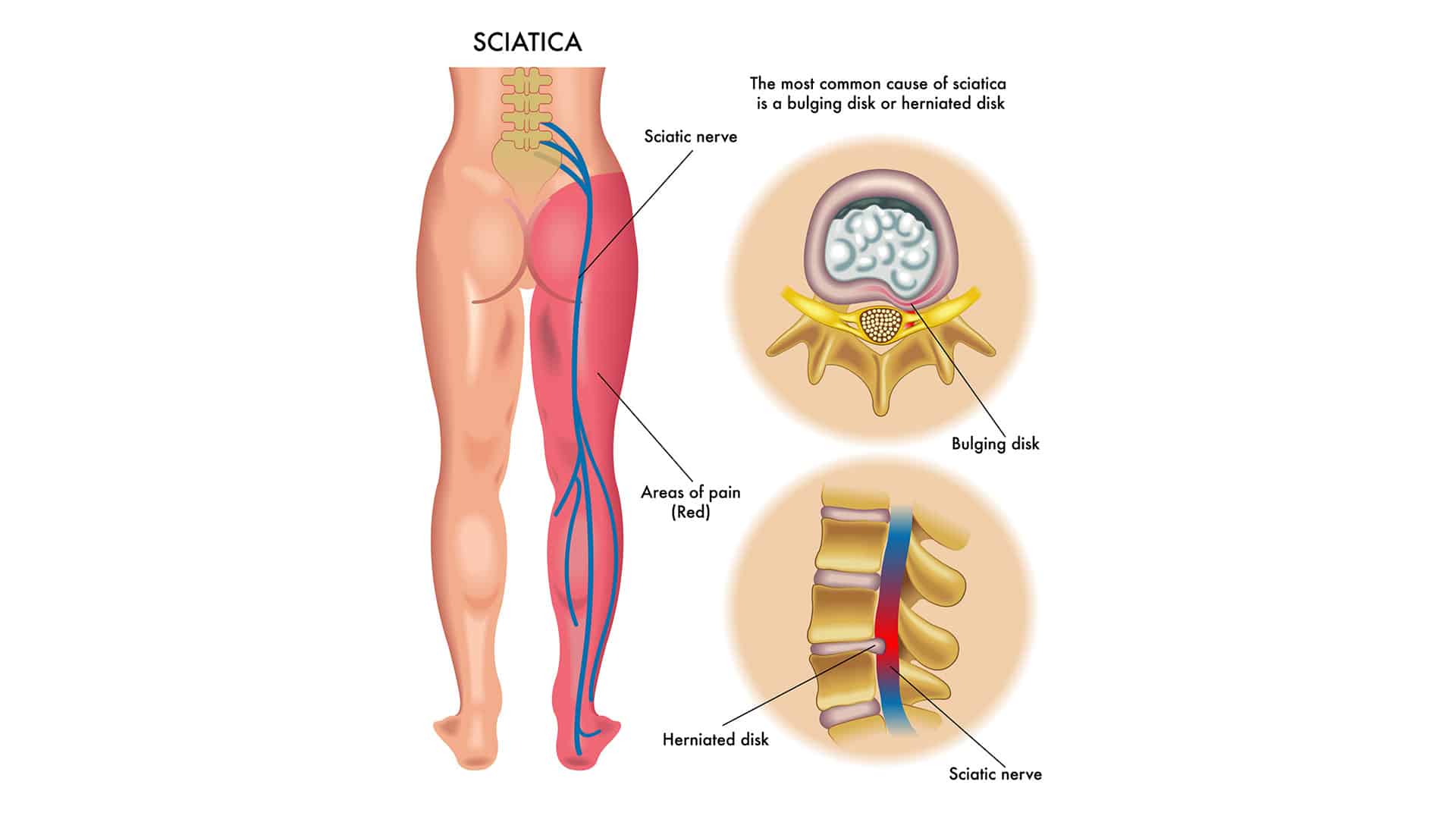
Sciatica refers to pain that travels along the path of the sciatic nerve. The sciatic nerve runs from the buttocks and down each leg.
Sciatica, as understood in Ayurveda, is pain radiating along the sciatic nerve, extending from the lower back through the hip, buttock, and down the leg. The word “Gridhrasi” is derived from the Sanskrit word “Gridhra,” meaning vulture. It is believed that due to the pain and stiffness, the patient’s gait may resemble that of a vulture.
In Ayurveda, Gridhrasi is primarily caused by the vitiation of the Vata dosha and, at times, by the combination of Vata and Kapha doshas. Aggravation of Vata results in pressure on the nerves, poor circulation, inflammation, pain, and stiffness along the pathway of the sciatic nerve.
Causes of Sciatica
- Herniated discs
- Degenerative disc disease
- Spinal stenosis
- Spondylolisthesis
- Osteoarthritis
- Injuries
Symptoms and Signs
- Lower back pain
- Pain in the buttocks or leg that worsens when sitting
- Hip pain
- Burning or tingling sensation down the leg
- Weakness, numbness, or difficulty moving the leg or foot
- Constant or shooting pain on one side of the buttocks, leg, or hip
Treatment for Sciatica
- Oleation or Hot Oil Therapy / Dhara (pouring warm oil on the affected area)
- Abhyanga (therapeutic oil massage)
- Marma Therapy (stimulating vital points to restore balance)
- Nadi Swedha (herbal steam therapy)
- Kati Vasti (retaining warm medicated oil on the lower back)
- Pottoni / Pinda Sweda (bolus massage with herbal packs)
Oiliation or Hot Oil Therapy/ Dhara (pouring)
This therapy penetrates the superficial fascia, stimulating nerve endings and promoting overall well-being.
The warmth of the oil enhances blood circulation, delivering essential nutrients and oxygen to the tissues while supporting the body’s natural healing processes. It also stimulates lymphatic drainage, aiding in the removal of waste and toxins by promoting the movement of lymph fluid through the lymph nodes.
Additionally, the soothing effect of warm oil calms the nervous system, reducing stress and enhancing mental clarity. Overall, hot oil therapy provides a holistic approach, nourishing the body physically, mentally, and emotionally.
Abhyanga
Abhyanga, an Ayurvedic self-massage using warm herbal oils, is a vital preparatory treatment that balances the body’s doshas. By applying oils in rhythmic strokes, it nourishes the tissues, enhances circulation, and softens the srotas (channels), preparing the body for deeper therapies such as Panchakarma (detoxification).
Just as juice cannot be extracted from an unripe mango, toxins cannot be effectively removed from the body without proper preparation. Abhyanga fulfils this purpose by softening and loosening toxins (ama) for easier elimination. It calms the nervous system, supports joint health, strengthens ojas (vital energy), and ensures the body is optimally receptive to further treatments in Ayurveda’s holistic healing process.
Marma Therapy
Marma Therapy is a profound Ayurvedic healing practice that focuses on the body’s vital energy points, known as marma points. These points act as crucial junctions where the physical, energetic, and emotional aspects of the body converge. Each marma point corresponds to various anatomical structures, including nerves, ligaments, bones, and muscles, forming a complex network of interconnections that influence overall health.
In marma therapy, practitioners apply gentle pressure and specific techniques to stimulate these points, facilitating the flow of prana (life force energy) throughout the body. This stimulation helps release blocked energy, alleviate pain, and restore balance to the body’s systems.
By encouraging the flow of prana, marma therapy not only promotes physical healing but also supports emotional well-being. It enhances mental clarity, reduces stress, and fosters a sense of harmony within the body and mind. Overall, marma therapy is an effective and holistic approach to wellness, harnessing the body’s innate ability to heal and rejuvenate.
Nadi Sweda
Nadi Sweda is a traditional Ayurvedic therapy in which steam is locally administered to specific parts of the body through a tube or pipe. The term “Nadi” in Sanskrit means ‘channel’ or ‘tube,’ while “Sweda” refers to the process of sweating. This therapy aims to open blocked channels, improve circulation, and detoxify the body.
In this treatment, herbal steam is directed to targeted areas to relieve pain, stiffness, or inflammation. It is most commonly used for musculoskeletal disorders such as arthritis, sciatica, and joint pain. Nadi Sweda helps to increase flexibility, release muscle tightness, and promote relaxation.
This therapy is an integral part of Panchakarma, Ayurveda’s detoxification and rejuvenation programme, offering both therapeutic and holistic benefits.
Kati Vasti
Kati Vasti is a specialised Ayurvedic treatment designed for lower back pain and other spinal disorders. In this therapy, a dough ring is formed on the lower back (kati) to create a dam-like structure, which is then filled with warm medicated oil.
The warm oil remains in this region for a specific period, penetrating deep into the tissues to reduce pain, inflammation, and stiffness. Kati Vasti is particularly beneficial for conditions such as sciatica, prolapsed intervertebral discs, lumbar spondylosis, and muscle spasms.
This therapy promotes blood circulation, nourishes the tissues, and supports healing, offering a non-pharmacological solution for chronic back pain and spine-related disorders.
Pottoni/ Pinda Sweda
Pinda Sweda is an Ayurvedic heat therapy that uses warm herbal boluses. These boluses are filled with medicinal ingredients such as herbs, powders, or rice. The treatment involves a rhythmic massage with the boluses, which induces localised sweating, helping to relieve pain, stiffness, and inflammation in the joints and muscles.
This therapy is highly effective for conditions such as arthritis, sciatica, and paralysis. There are various types of Pinda Sweda, including:
- Patra Pinda Sweda: Leaf bolus therapy
- Shashtika Shali Pinda Sweda: Rice bolus therapy
- Choorna Pinda Sweda: Herbal powder bolus therapy
Pinda Sweda enhances circulation, relaxes the muscles, nourishes the tissues, and provides deep relaxation and rejuvenation.
Back Pain
Back pain, particularly lower back pain, is very common. It usually improves within a few weeks but can sometimes last longer or recur. Back pain may occur when mechanical or structural problems develop in the spine, discs, muscles, ligaments, or tendons in the back, or when a nerve is compressed.
Kati Shula is the Ayurvedic term for pain in the lower back or lumbar region. "Kati" refers to the lower back, and "Shula" refers to pain or discomfort. This condition may arise due to various factors, including muscle strain, injury, improper posture, or an imbalance of the doshas, especially Vata.
Causes of Neck Pain
- Muscle strains
- Worn joints
- Nerve compression
- Injuries
- Diseases such as rheumatoid arthritis
- Meningitis
- Cancer
Symptoms and Signs
- Stiff neck
- Sharp pain
- Pain when moving the neck
- Radiating pain or numbness along the upper limbs
- Headaches
- Pain when palpated
Treatment Plan for Neck Pain
- Oleation or Hot Oil Therapy / Dhara (pouring warm oil on the affected area)
- Abhyanga (therapeutic oil massage)
- Nadiswedha (herbal steam therapy)
- Pinda Swedha (bolus massage with herbal packs)
- Griva Vasti (retaining warm medicated oil on the neck region)
- Alepa (application of herbal paste on the affected area)
Oiliation or Hot Oil Therapy/ Dhara (pouring)
This therapy penetrates the superficial fascia, stimulating nerve endings and promoting overall well-being.
The warmth of the oil enhances blood circulation, delivering essential nutrients and oxygen to the tissues while supporting the body’s natural healing processes. It also stimulates lymphatic drainage, aiding in the removal of waste and toxins by promoting the movement of lymph fluid through the lymph nodes.
Additionally, the soothing effect of warm oil calms the nervous system, reducing stress and enhancing mental clarity. Overall, hot oil therapy provides a holistic approach, nourishing the body physically, mentally, and emotionally.
Abhyanga
Abhyanga, an Ayurvedic self-massage using warm herbal oils, is a vital preparatory treatment that balances the body’s doshas. By applying oils in rhythmic strokes, it nourishes the tissues, enhances circulation, and softens the srotas (channels), preparing the body for deeper therapies such as Panchakarma (detoxification).
Just as juice cannot be extracted from an unripe mango, toxins cannot be effectively removed from the body without proper preparation. Abhyanga fulfils this purpose by softening and loosening toxins (ama) for easier elimination. It calms the nervous system, supports joint health, strengthens ojas (vital energy), and ensures the body is optimally receptive to further treatments in Ayurveda’s holistic healing process.
Nadi Sweda
Nadi Sweda is a traditional Ayurvedic therapy in which steam is locally administered to specific parts of the body through a tube or pipe. The term “Nadi” in Sanskrit means ‘channel’ or ‘tube,’ while “Sweda” refers to the process of sweating. This therapy aims to open blocked channels, improve circulation, and detoxify the body.
In this treatment, herbal steam is directed to targeted areas to relieve pain, stiffness, or inflammation. It is most commonly used for musculoskeletal disorders such as arthritis, sciatica, and joint pain. Nadi Sweda helps to increase flexibility, release muscle tightness, and promote relaxation.
This therapy is an integral part of Panchakarma, Ayurveda’s detoxification and rejuvenation programme, offering both therapeutic and holistic benefits.
Pottoni/ Pinda Sweda
Pinda Sweda is an Ayurvedic heat therapy that uses warm herbal boluses. These boluses are filled with medicinal ingredients such as herbs, powders, or rice. The treatment involves a rhythmic massage with the boluses, which induces localised sweating, helping to relieve pain, stiffness, and inflammation in the joints and muscles.
This therapy is highly effective for conditions such as arthritis, sciatica, and paralysis. There are various types of Pinda Sweda, including:
- Patra Pinda Sweda: Leaf bolus therapy
- Shashtika Shali Pinda Sweda: Rice bolus therapy
- Choorna Pinda Sweda: Herbal powder bolus therapy
Pinda Sweda enhances circulation, relaxes the muscles, nourishes the tissues, and provides deep relaxation and rejuvenation.
Kati Vasti
Kati Vasti is a specialised Ayurvedic treatment designed for lower back pain and other spinal disorders. In this therapy, a dough ring is formed on the lower back (kati) to create a dam-like structure, which is then filled with warm medicated oil.
The warm oil remains in this region for a specific period, penetrating deep into the tissues to reduce pain, inflammation, and stiffness. Kati Vasti is particularly beneficial for conditions such as sciatica, prolapsed intervertebral discs, lumbar spondylosis, and muscle spasms.
This therapy promotes blood circulation, nourishes the tissues, and supports healing, offering a non-pharmacological solution for chronic back pain and spine-related disorders.
Alepa (Herbal Paste)
Herbal paste is a natural preparation made by mixing crushed or powdered medicinal herbs with water, oils, or other liquids in the correct proportions to achieve a thick and smooth consistency. In Ayurveda and other traditional healing systems, this paste is applied directly to the skin to address a variety of ailments.
Depending on the herbs used, the paste may reduce inflammation, alleviate pain, heal wounds, or treat skin conditions such as eczema or acne. Herbal pastes are also effective in drawing out toxins, accelerating the healing process, and nourishing the skin. Unlike treatments with harsh chemicals, herbal pastes offer a gentle and natural alternative for skin care and healing.
Neck Pain
Neck pain refers to discomfort that originates in the neck and may radiate down one or both arms. It can result from various disorders or conditions affecting the tissues in the neck, including nerves, bones, joints, ligaments, or muscles.
According to Ayurveda, neck pain is commonly referred to as Greeva Shula, which describes pain and discomfort in the cervical region. This condition typically involves an imbalance of the Vata dosha, manifesting as stiffness, inflammation, or nerve compression. Common causes include poor posture, muscle strain, injuries, and stress.
Ayurvedic treatment focuses on restoring balance to the Vata dosha through specific therapies to alleviate pain and improve mobility.
Causes of Neck Pain
- Muscle strains
- Worn joints
- Nerve compression
- Injuries
- Diseases such as rheumatoid arthritis
- Meningitis
- Cancer
Symptoms and Signs
- Stiff neck
- Sharp pain
- Pain when moving the neck
- Radiating pain or numbness along the upper limbs
- Headaches
- Pain when palpated
Treatment Plan for Neck Pain
- Oleation or Hot Oil Therapy / Dhara (pouring warm oil on the affected area)
- Abhyanga (therapeutic oil massage)
- Nadiswedha (herbal steam therapy)
- Pinda Swedha (bolus massage with herbal packs)
- Griva Vasti (retaining warm medicated oil on the neck region)
- Alepa (application of herbal paste on the affected area)
Oiliation or Hot Oil Therapy/ Dhara (pouring)
This therapy penetrates the superficial fascia, stimulating nerve endings and promoting overall well-being.
The warmth of the oil enhances blood circulation, delivering essential nutrients and oxygen to the tissues while supporting the body’s natural healing processes. It also stimulates lymphatic drainage, aiding in the removal of waste and toxins by promoting the movement of lymph fluid through the lymph nodes.
Additionally, the soothing effect of warm oil calms the nervous system, reducing stress and enhancing mental clarity. Overall, hot oil therapy provides a holistic approach, nourishing the body physically, mentally, and emotionally.
Abhyanga
Abhyanga, an Ayurvedic self-massage using warm herbal oils, is a vital preparatory treatment that balances the body’s doshas. By applying oils in rhythmic strokes, it nourishes the tissues, enhances circulation, and softens the srotas (channels), preparing the body for deeper therapies such as Panchakarma (detoxification).
Just as juice cannot be extracted from an unripe mango, toxins cannot be effectively removed from the body without proper preparation. Abhyanga fulfils this purpose by softening and loosening toxins (ama) for easier elimination. It calms the nervous system, supports joint health, strengthens ojas (vital energy), and ensures the body is optimally receptive to further treatments in Ayurveda’s holistic healing process.
Nadi Sweda
Nadi Sweda is a traditional Ayurvedic therapy in which steam is locally administered to specific parts of the body through a tube or pipe. The term “Nadi” in Sanskrit means ‘channel’ or ‘tube,’ while “Sweda” refers to the process of sweating. This therapy aims to open blocked channels, improve circulation, and detoxify the body.
In this treatment, herbal steam is directed to targeted areas to relieve pain, stiffness, or inflammation. It is most commonly used for musculoskeletal disorders such as arthritis, sciatica, and joint pain. Nadi Sweda helps to increase flexibility, release muscle tightness, and promote relaxation.
This therapy is an integral part of Panchakarma, Ayurveda’s detoxification and rejuvenation programme, offering both therapeutic and holistic benefits.
Pottoni/ Pinda Sweda
Pinda Sweda is an Ayurvedic heat therapy that uses warm herbal boluses. These boluses are filled with medicinal ingredients such as herbs, powders, or rice. The treatment involves a rhythmic massage with the boluses, which induces localised sweating, helping to relieve pain, stiffness, and inflammation in the joints and muscles.
This therapy is highly effective for conditions such as arthritis, sciatica, and paralysis. There are various types of Pinda Sweda, including:
- Patra Pinda Sweda: Leaf bolus therapy
- Shashtika Shali Pinda Sweda: Rice bolus therapy
- Choorna Pinda Sweda: Herbal powder bolus therapy
Pinda Sweda enhances circulation, relaxes the muscles, nourishes the tissues, and provides deep relaxation and rejuvenation.
Griva Vasti
Alepa (Herbal Paste)
Herbal paste is a natural preparation made by mixing crushed or powdered medicinal herbs with water, oils, or other liquids in the correct proportions to achieve a thick and smooth consistency. In Ayurveda and other traditional healing systems, this paste is applied directly to the skin to address a variety of ailments.
Depending on the herbs used, the paste may reduce inflammation, alleviate pain, heal wounds, or treat skin conditions such as eczema or acne. Herbal pastes are also effective in drawing out toxins, accelerating the healing process, and nourishing the skin. Unlike treatments with harsh chemicals, herbal pastes offer a gentle and natural alternative for skin care and healing.
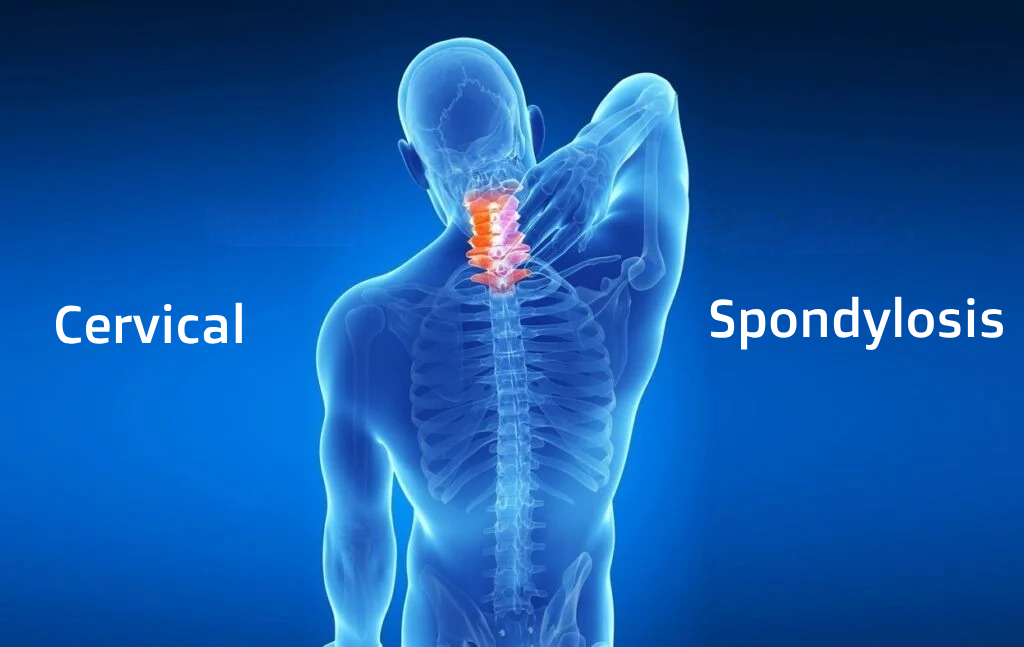
Cervical Spondylosis
Cervical spondylosis is a type of degenerative disease that affects the neck. Normally, the soft discs between the vertebrae in the spine provide cushioning. With cervical spondylosis, these discs become compressed, leading to discomfort and other symptoms.
Cervical spondylosis is a degenerative condition of the cervical spine, often presenting with neck pain, stiffness, and symptoms radiating into the arms. This condition primarily affects the neck region. According to Ayurveda, cervical spondylosis is caused by an imbalance in the Vata dosha, leading to the drying and degeneration of vertebral discs and joints.
Treatment focuses on restoring Vata dosha balance through therapies similar to those used for general neck pain, aiming to alleviate symptoms and promote overall spinal health.
Causes of Cervical Spondylosis
- Dehydrated discs
- Herniated discs
- Bone spurs
- Stiff ligaments
- Injuries
Symptoms and Signs
- Pain in the neck that may radiate to the arms or shoulders
- Headaches
- A grinding sensation when moving the neck
- Weakness in the arms and legs
- Numbness in the shoulders, arms, or hands
- Stiffness in the neck
- Difficulty maintaining balance
- Difficulty controlling the bladder or bowels
Treatment for Cervical Spondylosis
- Oleation or Hot Oil Therapy / Dhara (pouring warm oil on the affected area)
- Abhyanga (therapeutic oil massage)
- Nadiswedha (herbal steam therapy)
- Pinda Swedha (bolus massage with herbal packs)
- Griva Vasti (retaining warm medicated oil on the neck region)
- Alepa (application of herbal paste on the affected area)
Oiliation or Hot Oil Therapy/ Dhara (pouring)
This therapy penetrates the superficial fascia, stimulating nerve endings and promoting overall well-being.
The warmth of the oil enhances blood circulation, delivering essential nutrients and oxygen to the tissues while supporting the body’s natural healing processes. It also stimulates lymphatic drainage, aiding in the removal of waste and toxins by promoting the movement of lymph fluid through the lymph nodes.
Additionally, the soothing effect of warm oil calms the nervous system, reducing stress and enhancing mental clarity. Overall, hot oil therapy provides a holistic approach, nourishing the body physically, mentally, and emotionally.
Abhyanga
Abhyanga, an Ayurvedic self-massage using warm herbal oils, is a vital preparatory treatment that balances the body’s doshas. By applying oils in rhythmic strokes, it nourishes the tissues, enhances circulation, and softens the srotas (channels), preparing the body for deeper therapies such as Panchakarma (detoxification).
Just as juice cannot be extracted from an unripe mango, toxins cannot be effectively removed from the body without proper preparation. Abhyanga fulfils this purpose by softening and loosening toxins (ama) for easier elimination. It calms the nervous system, supports joint health, strengthens ojas (vital energy), and ensures the body is optimally receptive to further treatments in Ayurveda’s holistic healing process.
Nadi Sweda
Nadi Sweda is a traditional Ayurvedic therapy in which steam is locally administered to specific parts of the body through a tube or pipe. The term “Nadi” in Sanskrit means ‘channel’ or ‘tube,’ while “Sweda” refers to the process of sweating. This therapy aims to open blocked channels, improve circulation, and detoxify the body.
In this treatment, herbal steam is directed to targeted areas to relieve pain, stiffness, or inflammation. It is most commonly used for musculoskeletal disorders such as arthritis, sciatica, and joint pain. Nadi Sweda helps to increase flexibility, release muscle tightness, and promote relaxation.
This therapy is an integral part of Panchakarma, Ayurveda’s detoxification and rejuvenation programme, offering both therapeutic and holistic benefits.
Pottoni/ Pinda Sweda
Pinda Sweda is an Ayurvedic heat therapy that uses warm herbal boluses. These boluses are filled with medicinal ingredients such as herbs, powders, or rice. The treatment involves a rhythmic massage with the boluses, which induces localised sweating, helping to relieve pain, stiffness, and inflammation in the joints and muscles.
This therapy is highly effective for conditions such as arthritis, sciatica, and paralysis. There are various types of Pinda Sweda, including:
- Patra Pinda Sweda: Leaf bolus therapy
- Shashtika Shali Pinda Sweda: Rice bolus therapy
- Choorna Pinda Sweda: Herbal powder bolus therapy
Pinda Sweda enhances circulation, relaxes the muscles, nourishes the tissues, and provides deep relaxation and rejuvenation.
Griva Vasti
Alepa (Herbal Paste)
Herbal paste is a natural preparation made by mixing crushed or powdered medicinal herbs with water, oils, or other liquids in the correct proportions to achieve a thick and smooth consistency. In Ayurveda and other traditional healing systems, this paste is applied directly to the skin to address a variety of ailments.
Depending on the herbs used, the paste may reduce inflammation, alleviate pain, heal wounds, or treat skin conditions such as eczema or acne. Herbal pastes are also effective in drawing out toxins, accelerating the healing process, and nourishing the skin. Unlike treatments with harsh chemicals, herbal pastes offer a gentle and natural alternative for skin care and healing.
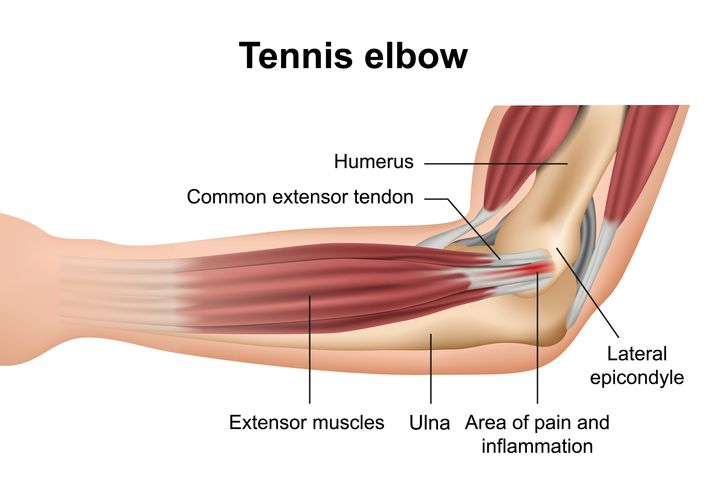
Tennis Elbow
Tennis elbow (lateral epicondylitis) is the swelling of tendons that bend your wrist backward, away from your palm. Tendons are tough cords of tissue connecting muscles to bones. The tendon most commonly affected in tennis elbow is called the extensor carpi radialis brevis.
In Ayurveda, tennis elbow is often referred to as "Anjana" or "Vatasthanabaddha". This condition involves painful inflammation of the tendons at the elbow caused by overuse of the forearm muscles. It is typically associated with an imbalance of the Vata and Pitta doshas, leading to pain, swelling, and restricted movement. Ayurvedic treatments focus on pacifying these doshas through targeted therapies.
Causes for Tennis Elbow
- Playing racket sports, especially backhand strokes with poor form
- Using plumbing tools
- Painting
- Driving screws
- Cutting foods, especially meat
- Prolonged use of a computer mouse
Symptoms and Signs
- Pain on the outside of the elbow
- Stiffness
- Swelling
- Weak grip strength, especially when holding objects like a racket or pen
Treatment for Tennis Elbow
- Abhyanga (therapeutic oil massage)
- Nadiswedha (herbal steam therapy)
- Alepa (application of herbal paste on the affected area)
Abhyanga
Abhyanga, an Ayurvedic self-massage using warm herbal oils, is a vital preparatory treatment that balances the body’s doshas. By applying oils in rhythmic strokes, it nourishes the tissues, enhances circulation, and softens the srotas (channels), preparing the body for deeper therapies such as Panchakarma (detoxification).
Just as juice cannot be extracted from an unripe mango, toxins cannot be effectively removed from the body without proper preparation. Abhyanga fulfils this purpose by softening and loosening toxins (ama) for easier elimination. It calms the nervous system, supports joint health, strengthens ojas (vital energy), and ensures the body is optimally receptive to further treatments in Ayurveda’s holistic healing process.
Nadi Sweda
Nadi Sweda is a traditional Ayurvedic therapy in which steam is locally administered to specific parts of the body through a tube or pipe. The term “Nadi” in Sanskrit means ‘channel’ or ‘tube,’ while “Sweda” refers to the process of sweating. This therapy aims to open blocked channels, improve circulation, and detoxify the body.
In this treatment, herbal steam is directed to targeted areas to relieve pain, stiffness, or inflammation. It is most commonly used for musculoskeletal disorders such as arthritis, sciatica, and joint pain. Nadi Sweda helps to increase flexibility, release muscle tightness, and promote relaxation.
This therapy is an integral part of Panchakarma, Ayurveda’s detoxification and rejuvenation programme, offering both therapeutic and holistic benefits.
Alepa (Herbal Paste)
Herbal paste is a natural preparation made by mixing crushed or powdered medicinal herbs with water, oils, or other liquids in the correct proportions to achieve a thick and smooth consistency. In Ayurveda and other traditional healing systems, this paste is applied directly to the skin to address a variety of ailments.
Depending on the herbs used, the paste may reduce inflammation, alleviate pain, heal wounds, or treat skin conditions such as eczema or acne. Herbal pastes are also effective in drawing out toxins, accelerating the healing process, and nourishing the skin. Unlike treatments with harsh chemicals, herbal pastes offer a gentle and natural alternative for skin care and healing.
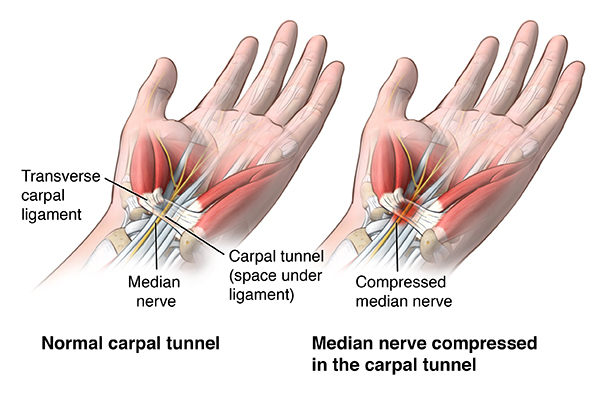
Carpal Tunnel Syndrome
Carpal tunnel syndrome (CTS) is one of the most common hand conditions. It is caused by pressure on the median nerve in the carpal tunnel of the wrist. The carpal tunnel is a narrow passageway surrounded by bones and ligaments on the palm side of the hand. When the median nerve is compressed, symptoms can include numbness, tingling, and weakness in the thumb and fingers.
In Ayurveda, CTS is referred to as “Karma Prabheda”. It is described as a clinical condition characterised by numbness, tingling, and pain in the hand and fingers, resulting from median nerve compression in the wrist. Ayurveda attributes CTS to an imbalance of the Vata and Kapha doshas, which leads to swelling and nerve entrapment. Ayurvedic treatments aim to restore dosha balance through targeted therapies.
Causes for Carpal Tunnel Syndrome
- Broken or dislocated wrist bones
- Pregnancy
- Diabetes
- Thyroid problems
- Menopause
- Obesity
Symptoms and Signs
- Weakness when gripping objects with one or both hands
- Pain or numbness in one or both hands
- A “pins and needles” sensation in the fingers
- A swollen feeling in the fingers
- Burning or tingling in the fingers, especially in the thumb, index, and middle fingers
- Pain or numbness that worsens at night, disrupting sleep
Treatment for Carpal Tunnel Syndrome
- Abhyanga (therapeutic oil massage)
- Marma Therapy (stimulation of vital energy points)
- Pinda Swedha (bolus massage with herbal packs)
- Alepa (application of herbal paste on the affected area)
Abhyanga
Abhyanga, an Ayurvedic self-massage using warm herbal oils, is a vital preparatory treatment that balances the body’s doshas. By applying oils in rhythmic strokes, it nourishes the tissues, enhances circulation, and softens the srotas (channels), preparing the body for deeper therapies such as Panchakarma (detoxification).
Just as juice cannot be extracted from an unripe mango, toxins cannot be effectively removed from the body without proper preparation. Abhyanga fulfils this purpose by softening and loosening toxins (ama) for easier elimination. It calms the nervous system, supports joint health, strengthens ojas (vital energy), and ensures the body is optimally receptive to further treatments in Ayurveda’s holistic healing process.
Marma Therapy
Marma Therapy is a profound Ayurvedic healing practice that focuses on the body’s vital energy points, known as marma points. These points act as crucial junctions where the physical, energetic, and emotional aspects of the body converge. Each marma point corresponds to various anatomical structures, including nerves, ligaments, bones, and muscles, forming a complex network of interconnections that influence overall health.
In marma therapy, practitioners apply gentle pressure and specific techniques to stimulate these points, facilitating the flow of prana (life force energy) throughout the body. This stimulation helps release blocked energy, alleviate pain, and restore balance to the body’s systems.
By encouraging the flow of prana, marma therapy not only promotes physical healing but also supports emotional well-being. It enhances mental clarity, reduces stress, and fosters a sense of harmony within the body and mind. Overall, marma therapy is an effective and holistic approach to wellness, harnessing the body’s innate ability to heal and rejuvenate.
Pottoni/ Pinda Sweda
Pinda Sweda is an Ayurvedic heat therapy that uses warm herbal boluses. These boluses are filled with medicinal ingredients such as herbs, powders, or rice. The treatment involves a rhythmic massage with the boluses, which induces localised sweating, helping to relieve pain, stiffness, and inflammation in the joints and muscles.
This therapy is highly effective for conditions such as arthritis, sciatica, and paralysis. There are various types of Pinda Sweda, including:
- Patra Pinda Sweda: Leaf bolus therapy
- Shashtika Shali Pinda Sweda: Rice bolus therapy
- Choorna Pinda Sweda: Herbal powder bolus therapy
Pinda Sweda enhances circulation, relaxes the muscles, nourishes the tissues, and provides deep relaxation and rejuvenation.
Alepa (Herbal Paste)
Herbal paste is a natural preparation made by mixing crushed or powdered medicinal herbs with water, oils, or other liquids in the correct proportions to achieve a thick and smooth consistency. In Ayurveda and other traditional healing systems, this paste is applied directly to the skin to address a variety of ailments.
Depending on the herbs used, the paste may reduce inflammation, alleviate pain, heal wounds, or treat skin conditions such as eczema or acne. Herbal pastes are also effective in drawing out toxins, accelerating the healing process, and nourishing the skin. Unlike treatments with harsh chemicals, herbal pastes offer a gentle and natural alternative for skin care and healing.
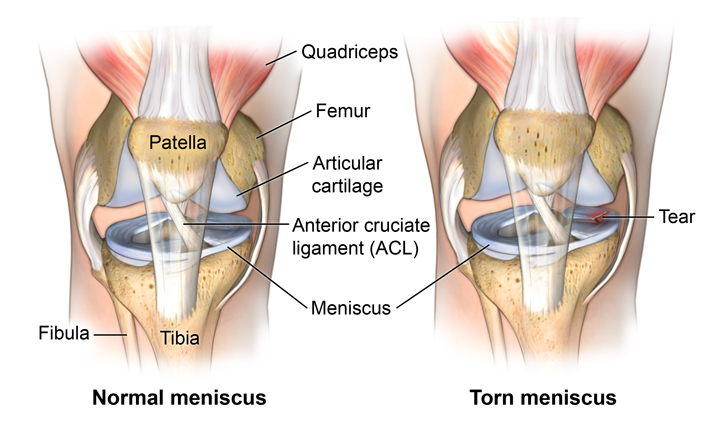
Meniscus Injuries
A torn meniscus is a common injury where the cartilage that forms the meniscus cushion is damaged, disrupting the integrity of its surface. Meniscus injuries frequently occur during sports activities involving running, quick pivoting, or sudden changes in direction.
Meniscus injuries involve damage to the cartilage within the knee, which can result in pain, swelling, and restricted movement. In Ayurveda, this condition is referred to as Knee Sandhigata Vata, often attributed to an imbalance in the Vata dosha. This imbalance leads to dryness and degeneration in the joint tissues.
Ayurvedic treatments focus on restoring balance to the Vata dosha through specific therapies to alleviate symptoms and promote joint health.
Causes of Meniscus Injuries
- Sudden twisting or pivoting movements, especially during sports
- Direct impact or trauma to the knee
- Degeneration of cartilage due to ageing or wear and tear
- Improper landing from jumps
- Repeated squatting or kneeling motions
- Weak or imbalanced thigh muscles
Symptoms and Signs of Meniscus Injuries
- A popping sensation when the injury occurs
- Swelling or stiffness
- Pain, especially when twisting or rotating the knee
- Difficulty fully straightening the knee
- A “locked” feeling when trying to move the knee
Treatment for Meniscus Injuries
- Oleation or Hot Oil Therapy / Dhara: Pouring warm medicated oil on the affected area
- Abhyanga: Therapeutic oil massage
- Nadiswedha: Herbal steam therapy
- Pinda Swedha: Bolus massage with herbal packs
- Janu Vasti: Retaining warm medicated oil on the knee joint
- Alepa: Application of herbal paste to the affected area
Oiliation or Hot Oil Therapy/ Dhara (pouring)
This therapy penetrates the superficial fascia, stimulating nerve endings and promoting overall well-being.
The warmth of the oil enhances blood circulation, delivering essential nutrients and oxygen to the tissues while supporting the body’s natural healing processes. It also stimulates lymphatic drainage, aiding in the removal of waste and toxins by promoting the movement of lymph fluid through the lymph nodes.
Additionally, the soothing effect of warm oil calms the nervous system, reducing stress and enhancing mental clarity. Overall, hot oil therapy provides a holistic approach, nourishing the body physically, mentally, and emotionally.
Abhyanga
Abhyanga, an Ayurvedic self-massage using warm herbal oils, is a vital preparatory treatment that balances the body’s doshas. By applying oils in rhythmic strokes, it nourishes the tissues, enhances circulation, and softens the srotas (channels), preparing the body for deeper therapies such as Panchakarma (detoxification).
Just as juice cannot be extracted from an unripe mango, toxins cannot be effectively removed from the body without proper preparation. Abhyanga fulfils this purpose by softening and loosening toxins (ama) for easier elimination. It calms the nervous system, supports joint health, strengthens ojas (vital energy), and ensures the body is optimally receptive to further treatments in Ayurveda’s holistic healing process.
Nadi Sweda
Nadi Sweda is a traditional Ayurvedic therapy in which steam is locally administered to specific parts of the body through a tube or pipe. The term “Nadi” in Sanskrit means ‘channel’ or ‘tube,’ while “Sweda” refers to the process of sweating. This therapy aims to open blocked channels, improve circulation, and detoxify the body.
In this treatment, herbal steam is directed to targeted areas to relieve pain, stiffness, or inflammation. It is most commonly used for musculoskeletal disorders such as arthritis, sciatica, and joint pain. Nadi Sweda helps to increase flexibility, release muscle tightness, and promote relaxation.
This therapy is an integral part of Panchakarma, Ayurveda’s detoxification and rejuvenation programme, offering both therapeutic and holistic benefits.
Pottoni/ Pinda Sweda
Pinda Sweda is an Ayurvedic heat therapy that uses warm herbal boluses. These boluses are filled with medicinal ingredients such as herbs, powders, or rice. The treatment involves a rhythmic massage with the boluses, which induces localised sweating, helping to relieve pain, stiffness, and inflammation in the joints and muscles.
This therapy is highly effective for conditions such as arthritis, sciatica, and paralysis. There are various types of Pinda Sweda, including:
- Patra Pinda Sweda: Leaf bolus therapy
- Shashtika Shali Pinda Sweda: Rice bolus therapy
- Choorna Pinda Sweda: Herbal powder bolus therapy
Pinda Sweda enhances circulation, relaxes the muscles, nourishes the tissues, and provides deep relaxation and rejuvenation.
Janu Vasti
Janu Vasti is a specialised Ayurvedic treatment designed for knee pain and joint disorders. In this therapy, a dough dam is created around the knee joint, and warm medicated oil is poured inside. The oil is retained for a specific duration, allowing deep penetration into the tissues.
This treatment is recommended for conditions such as osteoarthritis, rheumatoid arthritis, and joint stiffness. Janu Vasti enhances circulation in the knee region, lubricates the joints, reduces varicosity, alleviates pain and inflammation, and restores mobility.
Additionally, it strengthens the surrounding muscles and tissues, making it an effective, non-invasive, and natural solution for chronic knee problems.
Alepa (Herbal Paste)
Herbal paste is a natural preparation made by mixing crushed or powdered medicinal herbs with water, oils, or other liquids in the correct proportions to achieve a thick and smooth consistency. In Ayurveda and other traditional healing systems, this paste is applied directly to the skin to address a variety of ailments.
Depending on the herbs used, the paste may reduce inflammation, alleviate pain, heal wounds, or treat skin conditions such as eczema or acne. Herbal pastes are also effective in drawing out toxins, accelerating the healing process, and nourishing the skin. Unlike treatments with harsh chemicals, herbal pastes offer a gentle and natural alternative for skin care and healing.
Arthritis
In Ayurveda, arthritis is referred to as Aamavata or Sandhivata, conditions that cause inflammation in the joints, accompanied by pain, stiffness, and swelling. Arthritis is typically linked to an imbalance between the Vata dosha and Ama (toxic byproducts resulting from improper digestion). When Ama accumulates in the joints, it blocks the pathways and triggers pain and inflammation.
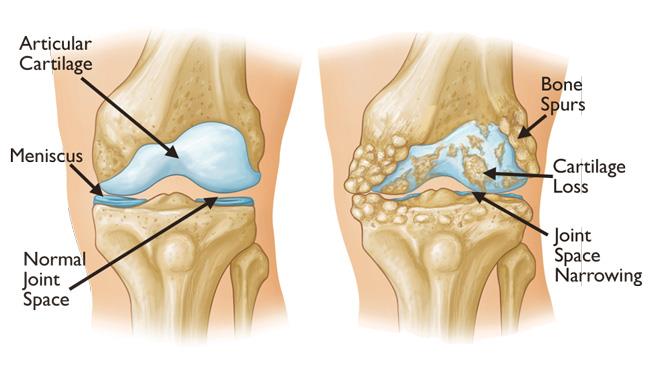
Types of Arthritis in Ayurveda
- Aamavata (Rheumatoid Arthritis)
- Caused by the accumulation of Ama and an aggravated Vata dosha.
- Typically presents as systemic inflammation affecting multiple joints.
- Sandhivata (Osteoarthritis)
- A degenerative joint disease caused by the depletion of joint tissues and dryness.
- Commonly associated with ageing and wear and tear on the joints.
Symptoms and Signs of Arthritis
- Pain and swelling in the joints
- Stiffness, particularly in the morning
- Reduced range of motion
- Fatigue
Ayurvedic Approach to Arthritis Management
Ayurveda seeks to address the root cause of arthritis, focusing on balancing the doshas and improving overall well-being. This involves a holistic approach, combining:
- Herbal treatments
- Lifestyle modifications
- Detoxification programmes
Together, these measures aim to reduce inflammation, enhance joint health, and improve the quality of life for those affected.
Treatment for Arthritis
- Oleation or Hot Oil Therapy / Dhara: Pouring warm medicated oil on the affected area
- Abhyanga: Therapeutic oil massage
- Marma Therapy: Stimulation of vital energy points
- Nadiswedha: Herbal steam therapy
- Pinda Swedha: Bolus massage with herbal packs
- Alepa: Application of herbal paste to the affected area
Oiliation or Hot Oil Therapy/ Dhara (pouring)
This therapy penetrates the superficial fascia, stimulating nerve endings and promoting overall well-being.
The warmth of the oil enhances blood circulation, delivering essential nutrients and oxygen to the tissues while supporting the body’s natural healing processes. It also stimulates lymphatic drainage, aiding in the removal of waste and toxins by promoting the movement of lymph fluid through the lymph nodes.
Additionally, the soothing effect of warm oil calms the nervous system, reducing stress and enhancing mental clarity. Overall, hot oil therapy provides a holistic approach, nourishing the body physically, mentally, and emotionally.
Abhyanga
Abhyanga, an Ayurvedic self-massage using warm herbal oils, is a vital preparatory treatment that balances the body’s doshas. By applying oils in rhythmic strokes, it nourishes the tissues, enhances circulation, and softens the srotas (channels), preparing the body for deeper therapies such as Panchakarma (detoxification).
Just as juice cannot be extracted from an unripe mango, toxins cannot be effectively removed from the body without proper preparation. Abhyanga fulfils this purpose by softening and loosening toxins (ama) for easier elimination. It calms the nervous system, supports joint health, strengthens ojas (vital energy), and ensures the body is optimally receptive to further treatments in Ayurveda’s holistic healing process.
Nadi Sweda
Nadi Sweda is a traditional Ayurvedic therapy in which steam is locally administered to specific parts of the body through a tube or pipe. The term “Nadi” in Sanskrit means ‘channel’ or ‘tube,’ while “Sweda” refers to the process of sweating. This therapy aims to open blocked channels, improve circulation, and detoxify the body.
In this treatment, herbal steam is directed to targeted areas to relieve pain, stiffness, or inflammation. It is most commonly used for musculoskeletal disorders such as arthritis, sciatica, and joint pain. Nadi Sweda helps to increase flexibility, release muscle tightness, and promote relaxation.
This therapy is an integral part of Panchakarma, Ayurveda’s detoxification and rejuvenation programme, offering both therapeutic and holistic benefits.
Pottoni/ Pinda Sweda
Pinda Sweda is an Ayurvedic heat therapy that uses warm herbal boluses. These boluses are filled with medicinal ingredients such as herbs, powders, or rice. The treatment involves a rhythmic massage with the boluses, which induces localised sweating, helping to relieve pain, stiffness, and inflammation in the joints and muscles.
This therapy is highly effective for conditions such as arthritis, sciatica, and paralysis. There are various types of Pinda Sweda, including:
- Patra Pinda Sweda: Leaf bolus therapy
- Shashtika Shali Pinda Sweda: Rice bolus therapy
- Choorna Pinda Sweda: Herbal powder bolus therapy
Pinda Sweda enhances circulation, relaxes the muscles, nourishes the tissues, and provides deep relaxation and rejuvenation.
Janu Vasti
Janu Vasti is a specialised Ayurvedic treatment designed for knee pain and joint disorders. In this therapy, a dough dam is created around the knee joint, and warm medicated oil is poured inside. The oil is retained for a specific duration, allowing deep penetration into the tissues.
This treatment is recommended for conditions such as osteoarthritis, rheumatoid arthritis, and joint stiffness. Janu Vasti enhances circulation in the knee region, lubricates the joints, reduces varicosity, alleviates pain and inflammation, and restores mobility.
Additionally, it strengthens the surrounding muscles and tissues, making it an effective, non-invasive, and natural solution for chronic knee problems.
Alepa (Herbal Paste)
Herbal paste is a natural preparation made by mixing crushed or powdered medicinal herbs with water, oils, or other liquids in the correct proportions to achieve a thick and smooth consistency. In Ayurveda and other traditional healing systems, this paste is applied directly to the skin to address a variety of ailments.
Depending on the herbs used, the paste may reduce inflammation, alleviate pain, heal wounds, or treat skin conditions such as eczema or acne. Herbal pastes are also effective in drawing out toxins, accelerating the healing process, and nourishing the skin. Unlike treatments with harsh chemicals, herbal pastes offer a gentle and natural alternative for skin care and healing.