

Skin Disorders
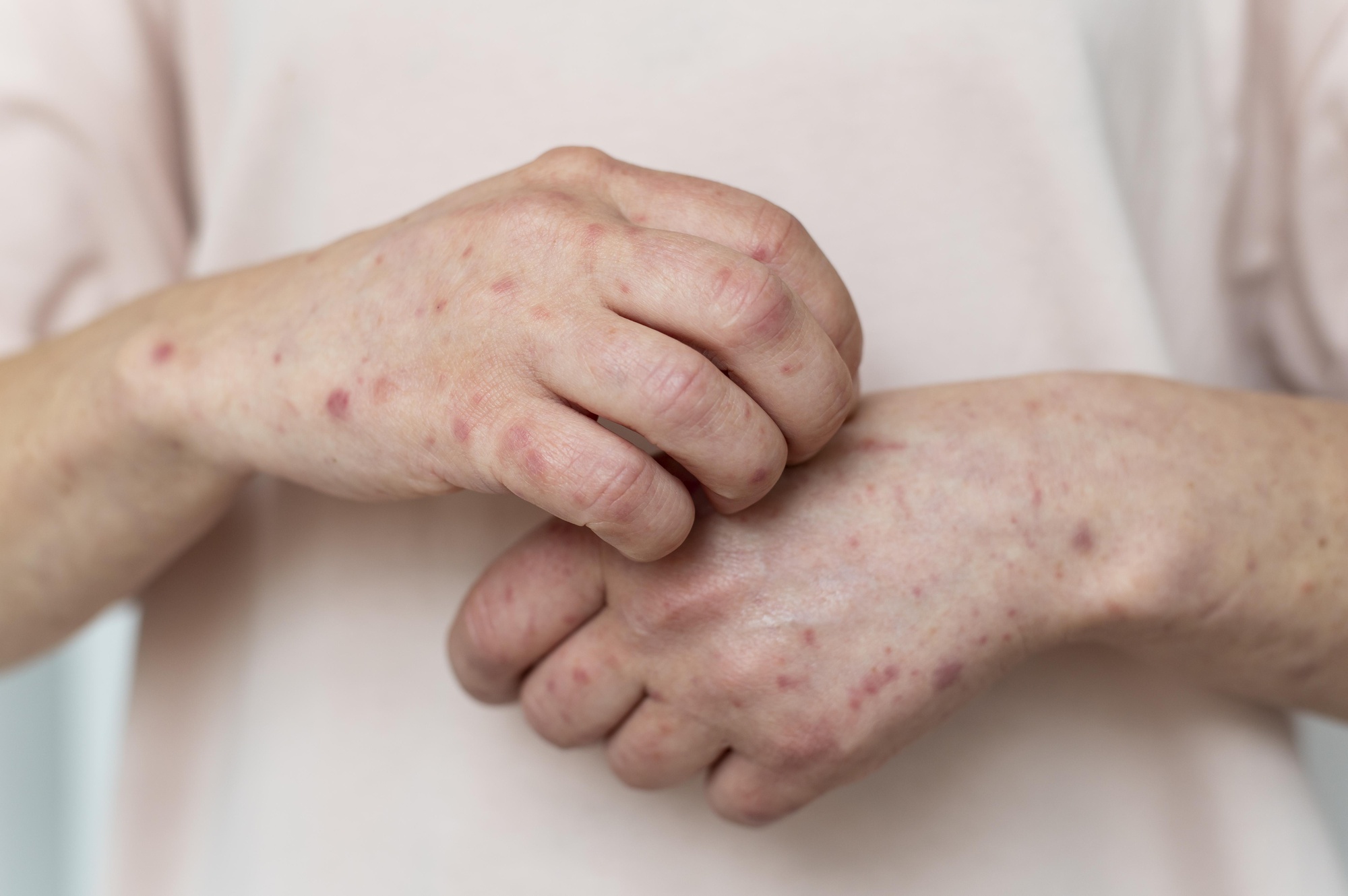
Sixty per cent of the UK population either has a skin condition or has experienced one. At least 100,000 new cases of skin cancer occur in the UK every year. Furthermore, 20 per cent of all children have eczema. Among those with skin conditions or scarring, 70 per cent believe it has affected their confidence. Eczema, psoriasis, urticaria, acne, and rosacea are the five most common skin disorders in the UK.
According to Ayurveda, skin disorders can occur due to an imbalance in all three doshas: Vata, Pitta, and Kapha. These imbalances primarily affect the rasa (superficial layer of skin), rakta (blood tissue), and mansa (muscular tissue) layers. Vata imbalances affect the superficial layer of skin, Pitta imbalances affect the blood tissue, and Kapha imbalances affect the muscular tissue. Due to this dosha imbalance, food cannot be digested properly, creating ama (toxins) that circulate through the body’s channels (ambhu vaha srotas). These toxins accumulate in body tissues, leading to various skin disorders.
Eczema
In Ayurveda, eczema is referred to as Vicharchika, which is considered a form of Kushta (skin disorder). It arises primarily due to an imbalance in the Pitta and Kapha doshas. This imbalance, triggered by internal or external factors, leads to the formation of ama (toxins) that accumulate in the skin tissues.
Ayurvedic Treatment for Eczema
Ayurvedic treatment for eczema takes a holistic approach, combining dietary modifications, herbal remedies, detoxification therapies, topical applications, and lifestyle changes. These methods aim to pacify the excessive Pitta and Kapha doshas, detoxify the body, and restore balance.
Dietary Modifications
A diet that calms Pitta and Kapha is essential for managing eczema. This includes:
- Avoiding: Spicy, sour, and salty foods.
- Increasing: The intake of bitter and astringent tastes.
- Incorporating: Cooling and detoxifying foods that support skin health.
Detoxification Therapies
Detoxification therapies aim to remove accumulated ama and rebalance the doshas. These include:
- Virechana: Purgation therapy to cleanse excess Pitta.
- Raktamokshana: Bloodletting therapy to eliminate toxins from the bloodstream.
- Snehana: Internal and external oleation therapy for nourishment.
- Swedana: Sweat-inducing therapy to open skin pores and expel toxins.
Topical Applications
Medicated oils, herbal pastes, and decoctions soothe the skin and reduce inflammation. These remedies help alleviate itching, redness, and discomfort.
Lifestyle Modifications
Adopting a balanced lifestyle is crucial for preventing and managing eczema. Suggestions include:
- Maintaining hygiene: To avoid infections.
- Practising stress-relief: Activities such as yoga and meditation.
- Avoiding triggers: Such as excessive sweating, allergens, and harsh environmental factors.
Holistic Approach
Ayurveda addresses the root cause of eczema by rebalancing the doshas, detoxifying the body, and promoting overall well-being. This holistic approach not only provides relief but also helps prevent the recurrence of eczema, ensuring long-term management and skin health.
Psoriasis
In Ayurveda, psoriasis is referred to as Kitibha or Ekakushtha, a chronic skin disorder caused by an imbalance in the Vata and Kapha doshas. This imbalance disrupts digestion, leading to the formation of ama (toxins), which accumulate in the skin tissues. These toxins infiltrate the rasa (nutrient fluid) and rakta dhatus (blood tissues), ultimately manifesting as skin lesions.
Ayurvedic Perspective on Psoriasis
Ayurveda considers psoriasis a condition rooted in internal disharmony. It focuses on addressing the underlying cause of dosha imbalance, detoxifying the body, and nourishing the skin.
Causes in Ayurveda
- Imbalanced Vata: Leads to dryness, scaling, and roughness in the skin.
- Imbalanced Kapha: Causes thick, scaly patches and itching.
- Toxin Buildup: Poor digestion and improper lifestyle choices contribute to the generation and accumulation of ama.
Ayurvedic Treatment for Psoriasis
Dosha Balancing and Detoxification
Ayurvedic treatment focuses on balancing Vata and Kapha through therapies such as:
- Panchakarma: Detoxification therapies like Vamana (therapeutic emesis), Virechana (purgation), and Raktamokshana (bloodletting).
Dietary Guidelines
- Avoid heavy, oily, spicy, and sour foods.
- Increase the intake of light, bitter, and astringent foods.
- Emphasise detoxifying foods like fresh vegetables and whole grains.
Topical Applications
- Use medicated oils and herbal pastes like Kumkumadi oil, Aloe vera gel, and Neem oil.
- Herbal baths and decoctions can help reduce itching and dryness.
Lifestyle Modifications
- Practise yoga and meditation to manage stress.
- Maintain regular bowel movements to detoxify the body.
- Avoid excessive exposure to cold weather.
Holistic Approach to Psoriasis
Ayurveda addresses psoriasis by eliminating its root cause rather than merely suppressing symptoms. By balancing the doshas, detoxifying the body, and nourishing the skin, Ayurveda offers lasting relief and promotes long-term skin health.
Dermatitis
In Ayurveda, dermatitis is referred to as Vicharchika and is primarily caused by an imbalance of the Pitta and Kapha doshas. This imbalance results in symptoms such as inflammation, redness, and irritation of the skin tissue. Poor digestion, an inappropriate diet, and environmental factors often contribute to the accumulation of ama (toxins) in the skin tissue.
Ayurvedic Perspective on Dermatitis
- Excess Pitta: Causes heat and inflammation in the skin, leading to redness and irritation.
- Excess Kapha: Results in moisture and congestion, presenting as itching, scaling, and oozing.
Root Causes
- Poor digestion leading to toxin buildup (ama).
- Diets high in spicy, oily, or sour foods.
- Environmental triggers such as allergens or pollutants.
Dietary Guidelines for Dermatitis
A diet that pacifies Pitta and Kapha doshas is beneficial:
- Avoid: Spicy, sour, and oily foods that increase inflammation and congestion.
- Include: Cooling, easily digestible foods such as fresh fruits, leafy greens, and whole grains.
- Focus on Tastes: Emphasise bitter and astringent tastes to help balance the doshas.
Ayurvedic Therapies
- Virechana (Purgation): A cleansing therapy to remove excess Pitta and detoxify the body.
- Snehana (Oleation): Medicated oils for internal and external use to nourish and balance the doshas.
Lifestyle Recommendations
- Hygiene: Maintain proper hygiene to prevent skin infections and irritation.
- Stress Management: Practise yoga and meditation to minimise flare-ups.
- Avoidance of Triggers: Identify and avoid allergens, specific foods, and irritants. Wear loose, breathable clothing to prevent sweating and friction.
Holistic Approach
Ayurveda targets the root cause of dermatitis by addressing dosha imbalances. Through dietary changes, detoxification therapies, and lifestyle adjustments, Ayurveda not only alleviates symptoms but also promotes long-term skin health and prevents recurrence.
Acne (Pimples)
In Ayurveda, acne is referred to as Yauvana Pidika and is closely associated with an imbalance in the Pitta dosha. Pitta governs heat and metabolic processes in the body, and when it becomes excessive, it leads to the accumulation of ama (toxins) in the skin. This can result in inflammation, clogged pores, and the formation of pustules. Contributing factors include poor digestion, consumption of pungent, fatty, and sour foods, and lifestyle habits that increase heat and stress.
Ayurvedic Perspective on Acne
- Excess Pitta: Increases heat and inflammation, which manifests as redness and irritation in the skin.
- Ama Accumulation: Poor digestion and toxin buildup clog pores, leading to acne.
Ayurvedic Treatment for Acne
Treatment focuses on rebalancing Pitta dosha and detoxifying the body to address the root cause.
Dietary Modifications
- Avoid: Spicy, sour, and oily foods that aggravate Pitta.
- Include: Cooling and astringent foods such as cucumbers, leafy greens, and foods rich in water content.
- Emphasise: A balanced, light, and easily digestible diet to support healthy digestion.
Detoxification Therapies
- Virechana: Purgation therapy to cleanse the digestive system and reduce excess Pitta.
- Raktamokshana: Bloodletting therapy to eliminate toxins from the bloodstream and reduce inflammation.
Lifestyle Modifications
- Good Hygiene: Maintain clean skin to prevent pore blockage and bacterial growth.
- Stress Management: Practise yoga, meditation, and relaxation techniques to reduce stress, which exacerbates acne.
- Balanced Lifestyle: Avoid overheating the body through excessive exposure to heat, spicy food, or intense physical activities.
Holistic Approach
Ayurveda aims to treat acne by addressing the imbalance of Pitta, eliminating toxins, and adopting preventive measures. This holistic approach not only resolves existing acne but also promotes long-term skin health by preventing recurrence.
Rosacea
In Ayurveda, rosacea is associated with an imbalance in the Pitta dosha, which governs heat and inflammation in the body. Known as Rakta Pitta or Pitta Roga, rosacea manifests as redness, flushing, visible blood vessels on the face, and often acne-like eruptions. The excess heat in the body leads to inflammation and poor circulation in the skin, contributing to the condition.
Ayurvedic Perspective on Rosacea
- Excess Pitta: Creates heat and inflammation, resulting in redness and flushing.
- Rakta Pitta: Involves poor blood circulation and toxin buildup in the skin, leading to irritation and eruptions.
Ayurvedic Treatment for Rosacea
Dietary Modifications
Diet plays a crucial role in managing rosacea. A Pitta-pacifying diet is recommended:
- Avoid: Hot, spicy, acidic, and oily foods that aggravate Pitta.
- Include: Cooling and soothing foods such as cucumbers, leafy greens, coconuts, and foods rich in water content.
- Hydration: Drink plenty of cool water and herbal teas like coriander or mint to help balance Pitta.
Panchakarma Therapies
- Virechana: A purgation therapy to detoxify the body and remove excess Pitta.
- Snehana: Internal and external oleation therapies using medicated oils to soothe and nourish the skin.
Lifestyle Recommendations
- Cleanliness: Maintain gentle skincare routines to avoid irritation.
- Stress Management: Practise yoga, meditation, and breathing exercises to minimise triggers linked to stress.
- Avoid Provoking Factors: Steer clear of extreme temperatures, harsh skincare products, and excessive sun exposure, as these can aggravate symptoms.
Holistic Approach
Ayurveda focuses on reducing the symptoms of rosacea by addressing the root cause Pitta imbalance while promoting detoxification and skin balance. This holistic approach combines dietary changes, detox therapies, and lifestyle modifications to restore skin health and prevent recurrence.
Urticaria or Hives
In Ayurveda, urticaria, or hives, is referred to as Uttana Pitta. It is primarily linked to an imbalance in the Pitta dosha, which governs heat and inflammation in the body. Urticaria is characterised by red, itchy, raised welts or hives, often accompanied by redness and swelling. According to Ayurveda, this condition results from Pitta aggravation caused by impaired digestion, exposure to allergens, and high levels of emotional stress.
Ayurvedic Perspective on Urticaria
- Excess Pitta: Leads to heat and inflammation in the skin, causing redness, swelling, and itching.
- Root Causes: Impaired digestion, allergen exposure, and emotional stress contribute to Pitta imbalance.
Ayurvedic Treatment for Urticaria
Dietary Modifications
A Pitta-pacifying diet is essential to manage urticaria:
- Avoid: Hot, spicy, and acidic foods that aggravate Pitta.
- Include: Cooling and soothing foods like cucumbers, coriander, coconut, and foods with astringent and sweet tastes.
- Hydration: Drink plenty of water and herbal teas such as coriander or mint-infused water.
Panchakarma Therapies
- Virechana: Purgation therapy to detoxify the digestive system and eliminate excess Pitta.
- Snehana: Oleation therapy using medicated oils to nourish and calm the body.
Lifestyle Recommendations
- Stress Management: Practise yoga, meditation, and breathing exercises to alleviate emotional triggers.
- Good Hygiene: Maintain cleanliness to prevent aggravation of the skin.
- Avoid Allergens: Identify and avoid specific allergens, including certain foods, environmental irritants, or substances that provoke symptoms.
Holistic Approach
Ayurveda addresses urticaria by targeting the underlying Pitta imbalance. Through dietary adjustments, detoxification therapies, and lifestyle modifications, it aims to relieve symptoms, restore balance, and prevent recurrence. Achieving long-term relief requires careful attention to digestion, stress management, and avoidance of triggers.