Pitta Dosha lies at the heart of Ayurvedic understanding of metabolism, transformation and vitality. Made of fire subtly tempered by water, Pitta in the body governs digestion, enzyme activity, vision, intellect and the warmth that sustains life itself. When balanced, it offers sharp perception, strong appetite, luminous skin and decisive leadership. When aggravated, however, the very fire that empowers us can scorch tissues, emotions and relationships. In this comprehensive guide we explore what is Pitta Dosha, how to recognise pitta dosha symptoms, and most importantly how to reduce Pitta immediately and cultivate lasting equilibrium.
Pitta Dosha Meaning from an Ayurvedic Perspective
Ayurveda teaches that the universe including every cell expresses five great elements: space, air, fire, water and earth. Doshas are functional groupings of these elements. Pitta Dosha embodies the brilliance of fire infused with the liquidity of water. This explains why Pitta individuals often show penetrating intelligence alongside fluid speech, and why excess heat manifests through inflammation or acidity. In classical Sanskrit texts, the term pitta also refers to the digestive “juices” that transform food into essence. When we translate pitta dosha in English we usually speak of “the metabolic force”.
Pitta in Ayurveda and the Human Body
Healthy Pitta in Ayurveda fuels:
-
Agni (digestive fire): the capacity to digest, absorb and assimilate nutrients.
-
Bhrajaka Pitta: the sub-type responsible for skin colour, luster and temperature regulation.
-
Alochaka Pitta: governing visual perception and clarity of sight.
-
Sadhaka Pitta: seated in the heart and mind, influencing courage, ambition and comprehension.
-
Ranjaka Pitta: imparting a rich red hue to blood and supporting liver function.
Balanced Pitta leaves you feeling bright, enthusiastic and purposeful. Imbalanced Pitta, by contrast, is like oil boiling over: too hot, too fast, too intense.
Recognising Pitta Dosha Symptoms
Early detection of Pitta imbalance prevents more serious disorders. Look for these classic pitta symptoms:
-
Digestive clues: hyperacidity, heartburn, sour belching, loose stools with a burning sensation.
-
Thermal signs: feeling excessively hot, sweating easily, intolerance to direct sun or steam rooms.
-
Emotional markers: irritability, impatience, perfectionism, sharp criticism, competitive streaks.
-
Sensory alerts: red, bloodshot eyes, sensitivity to light, inflammation of gums.
-
Pitta Dosha symptoms on skin: redness, rashes, acne, hives, rosacea or a tendency to freckle.
-
Systemic manifestations: high blood pressure, early greying or thinning hair, ulcers.
In the Tamil tradition you will also hear of pitham symptoms another way of describing the fiery Pitta tendencies. Whether you call them pitta imbalance symptoms, pitta dosha symptoms or symptoms of Pitta, they all point towards excess internal heat.
Common Triggers of Pitta Imbalance
Understanding what provokes Pitta helps you avoid flare-ups:
-
Dietary factors: chilli, cayenne, fermented foods, alcohol, red meat, aged cheese, deep-fried snacks, too much coffee.
-
Environmental heat: high summer, saunas, intense midday sun, working near furnaces or computer servers.
-
Lifestyle pressures: tight deadlines, competitive sports in hot weather, excessive screen time.
-
Emotional climate: constant criticism, unresolved anger, perfectionism, heated debates.
Left unchecked, these triggers ignite pitta imbalance and ultimately disease.
First Aid for Fiery Times: How to Reduce Pitta Immediately
Sometimes you need rapid cooling. Ayurvedic practitioners recommend several instant soothers:
-
Sip cool (never icy) water infused with rose petals or a squeeze of lime.
-
Chew fennel seeds after spicy meals to calm post-prandial heat.
-
Apply sandalwood paste or aloe gel to hot, red patches of skin.
-
Practise Sheetali or Sheetkari pranayama, breathing through a rolled tongue or between clenched teeth, drawing ambient air across salivary glands for an instant cool-down.
-
Munch on sweet, juicy fruits such as ripe pears, watermelon or pomegranate seeds.
-
Take refuge in nature: a shady park or a leafy garden instantly soothes aggravated Pitta.
These tips explain how to balance Pitta Dosha quickly while you embark on deeper lifestyle adjustments.
Cultivating Lasting Harmony: Ayurveda Pitta Balancing Lifestyle
Long-term pitta dosha treatment revolves around consistent, cool and gentle routines:
Daily rhythm
-
Wake before sunrise when air is fresh and cool.
-
Oil massage with extra-virgin coconut or sunflower oil calms the nervous system and nourishes bhrajaka pitta in the skin.
-
Moderate exercise such as swimming, moonlit walks or restorative yoga keeps metabolism steady without overheating.
Diet essentials
-
Taste profile: favour sweet, bitter and astringent flavours; reduce salty, sour and pungent.
-
Grains: basmati rice, quinoa and barley.
-
Proteins: split mung dal, tofu, soaked almonds.
-
Vegetables: courgette, asparagus, cucumber, leafy greens, sweet potatoes.
-
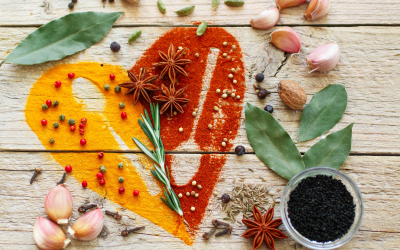
Spices: coriander, cardamom, mint, fennel, turmeric in small amounts; avoid excess garlic and onion.
-
Herbal allies: Guduchi (Tinospora cordifolia), Amalaki (Emblica officinalis) and Neem (Azadirachta indica) gently pacify Pitta. Always consult a qualified Vaidya before starting herbs.
Restorative practices
-
Mindful breaks every 90 minutes of computer work prevent aggravation of alochaka pitta in the eyes.
-
Expressive journalling releases pent-up anger safely.
-
Evening moon gazing replaces screen glare with lunar coolness.
Pitta-Friendly Recipes and Kitchen Cures
Cooling Coconut Coriander Rice
Cook one cup of basmati rice in two cups of water. Fluff and fold through ½ cup grated fresh coconut, a handful of chopped coriander, a squeeze of lime and a pinch of fennel powder. Serve with sautéed courgette ribbons and mint-yoghurt raita.
Rose-Infused Chia Pudding
Soak two tablespoons of chia seeds in a cup of almond milk, stir in a teaspoon of rose water and chill overnight. Top with sliced strawberries and a drizzle of raw honey. Delicious, portable, Pitta-friendly.
Seasonal Strategies for Pitta Management
-
Spring: emphasise bitter greens to clear winter congestion without stirring heat.
-
Summer: embrace raw salads, coconut water and early morning walks. Midday siestas are not laziness; they are a Pitta-sparing art.
-
Autumn: grounding root vegetables and gentle spices support agni without over-stoking the inner fire.
-
Winter: enjoy moderate ginger but keep chilli minimal; Ayurveda’s wisdom respects that Pitta individuals already contain ample warmth.
Professional Therapies at The Ayurvedic Clinic
Sometimes self-help is not enough. At The Ayurvedic Clinic in Croydon, experienced Vaidyas offer personalised assessments using pulse diagnosis and tongue analysis to pinpoint the subtler shades of Pitta imbalance. Classical treatments may include:
-
Shirodhara: a stream of cool, medicated oil across the forehead, noted for calming sadhaka pitta and reducing stress-induced acidity.
-
Takra Dhara: buttermilk poured rhythmically over the scalp, excellent for psoriasis and hot headaches.
-
Virechana: a supervised purgation therapy to expel excess pitta from the small intestine and liver.
To discuss your unique constitution or schedule a panchakarma retreat, book an online consultation with our practitioners.
Case Insight: Pitta Dosha in English Clinical Practice
A 36-year-old graphic designer presented with chronic acid reflux, irritable temperament and facial flushing after minimal alcohol. Assessment revealed a history of late-night project work, reliance on black coffee and lunchtime chilli wraps classic Pitta aggravators. A four-week protocol of cooling diet, Guduchi capsules, evening brahmari pranayama and Shirodhara sessions reduced her reflux episodes by 80 %, improved sleep and softened the intensity she felt in daily interactions. This example illustrates how practical, customised Ayurveda pitta strategies translate seamlessly into modern UK lifestyles.
Frequently Asked Questions about Pitta Dosha
What is Pitta Dosha in simple terms?
Think of Pitta as your inner chemist, transforming food into energy and ideas into action. Its fire-water nature must stay cool, clear and contained.
Can I feel cold yet still have a Pitta imbalance?
Yes. Cold extremities can coexist with internal heat, especially if circulation is compromised. Acid reflux or skin rashes are better indicators than temperature alone.
How quickly can I balance Pitta?
Acute relief may occur within hours using cooling measures, but stable balance depends on adopting Pitta-friendly routines consistently for several weeks.
Are spicy foods always forbidden?
Not entirely. Fresh ginger in moderation aids digestion without adding the volatile capsaicin heat found in chilli. Quantity, preparation and season matter.
Does Pitta only affect digestion?
No. Vision, complexion, emotions and hormonal regulation all bear Pitta’s signature, so imbalance can appear in diverse systems.
Summoning the Cool Flame: Final Thoughts
Mastering Pitta Dosha is less about extinguishing your inner fire and more about channelling its radiance wisely. By recognising pitta imbalance symptoms early, choosing foods that soothe rather than inflame, and weaving Ayurvedic rituals into busy British life, you honour both ancient wisdom and modern wellbeing. Should you need expert guidance, the team at The Ayurvedic Clinic stands ready to tailor a plan that lets you shine brightly without the burn.
The Ayurvedic Clinic, Croydon
461 Brighton Rd, South Croydon, Surrey, CR2 6EW
Tel: 0208 40544074