Menopause is a transformative phase in a woman’s life. It signals the end of fertility and the beginning of a new chapter, and although this journey may bring its challenges, it also offers you an opportunity to embrace new aspects of health and self-care. Ayurveda, with its holistic and individualised approach, offers tools to support this transition by helping ease the symptoms of that can occur during this period with a range of remedies and practices that work naturally with the body to support emotional, physical and mental health throughout this significant life change.
“..The menopausal phase can be a beautiful one if you identify it correctly… You will understand true love and freedom, and the freedom to do things while finding spiritual connections. It is a different kind of attitude we develop during the menopausal phase…”
– Dr Deepika Rodrigo, Founder and Director of The Ayurvedic Clinic
Common Symptoms of Menopause
As you approach menopause, you may often experience a variety of symptoms, both physical and emotional, which can be distressing. These symptoms arise from hormonal fluctuations as estrogen and progesterone levels decline, leading to changes in the body’s systems. While menopause is a natural part of life, these symptoms can disrupt daily routines, making it difficult to maintain energy levels, focus and emotional well-being. A few such symptoms include;
- Hot flashes and night sweats
- Irregular periods
- Vaginal dryness
- Sleep disturbances and fatigue
- Mood changes, including irritability and anxiety
- Reduced libido
- Thinning hair, dry skin and itchy scalp
- Weight gain and slowed metabolism
The Three Phases of Menopause
Menopause occurs in three phases; perimenopause, menopause and post-menopause. Each stage presents its own set of challenges and changes that require different approaches for support and understanding these phases are essential in managing symptoms effectively and preparing for the changes that come with each stage.
PerimenopausePerimenopause is the transitional phase leading up to menopause, usually starting in your 40s, but it can begin earlier. During this time, fluctuating hormone levels cause symptoms such as hot flashes, irregular periods and mood swings. |
MenopauseMenopause is officially diagnosed after 12 consecutive months without a period, marking the end of menstrual cycles. It typically occurs in your early 50s.. As the ovaries stop releasing eggs, estrogen and progesterone production decreases, leading to symptoms like hot flashes, mood changes and vaginal dryness. |
Post-MenopausePost-menopause follows the years after menopause. Hormone levels stabilise at a lower level and many of the symptoms experienced during menopause may diminish. However, long-term health concerns like bone density loss and cardiovascular risks require attention. |
Managing Menopause Symptoms – Ayurveda Treatments and Remedies
Ayurveda views menopause as a natural and important phase of life, part of the ageing process. In this system, the decline in estrogen and progesterone can lead to imbalances in the doshas, particularly Vata and Pitta. These imbalances manifest as the symptoms detailed above.
Instead of merely managing symptoms, Ayurveda provides insights and practices to balance these doshas and promote holistic well-being. The goal is to ease the transition by nurturing both body and mind.
Balancing Doshas During Menopause
- Vata Imbalance – When Vata is out of balance, it can cause symptoms like anxiety, insomnia and dryness.
- Pitta Imbalance – An imbalance pitta can lead to hot flashes, irritability and digestive issues.
To restore balance, Ayurvedic practices focus on dietary modifications, daily routines, herbal remedies and lifestyle changes detailed as follows.
Dietary Modifications for Menopause
Diet plays an important role in managing menopause symptoms. According to Ayurveda, the right foods nourish the body and also help restore harmony between mind and body. During menopause, incorporating specific foods can address dryness, anxiety and irritability, as well as support hormonal balance. These dietary changes, when implemented mindfully, can provide long-lasting relief and enhance overall health during this phase of life.
- Warm, Cooked Foods – Soups, stews and cooked vegetables are easy to digest and can help balance Vata. These foods also provide the warmth needed to counteract dryness and restlessness.
- Healthy Fats – Ghee, sesame oil, avocados and nuts help lubricate tissues, support hormonal health, aid digestion and maintain energy levels.
- Hydration – Drink warm herbal teas such as ginger or chamomile and plenty of water throughout the day to combat dryness and promote overall health.
- Phytoestrogen-Rich Foods – Foods like flaxseeds, sesame seeds and soy products are rich in phytoestrogens, which can support estrogen levels and ease menopause symptoms.
Ayurvedic Lifestyle Changes
In addition to dietary modifications, a consistent lifestyle can significantly contribute to managing menopausal symptoms. Ayurveda emphasises routine as a way to maintain balance, particularly when dealing with the Vata dosha, which governs movement. This helps stabilise the body’s energies, reduces stress and supports better sleep and emotional health. These practices are powerful tools for navigating this transition with grace and vitality.
- Daily Routine (Dinacharya) – A consistent routine helps stabilise Vata dosha. Waking up early, practising self-care rituals and eating meals at regular times can provide structure and balance throughout the day.
- Stress Management – Practices like Pranayama (breathing exercises), Abhyanga (self-massage with warm oils) and Meditation help reduce anxiety and stabilise Vata. These practices promote relaxation and mental clarity.
- Exercises – Practices like yoga, walking and Tai Chi help reduce stress and improve circulation without overstimulating the body. Weight-bearing exercises like walking or strength training also support bone health.
- Bedtime Rituals – Prioritise sleep quality with calming evening routines. Drinking warm milk with spices like cardamom or nutmeg can promote relaxation, while gentle yoga or meditation can prepare the mind for rest.
Ayurvedic Herbs and Remedies
Herbs have long been an integral part of Ayurvedic healing, offering natural relief for a wide range of conditions. During menopause, certain herbs can help manage symptoms like hot flashes, mood swings and fatigue. These natural remedies can be customised based on your unique needs, working in synergy with the body to ease the discomforts of menopause and promote overall well-being.
- Shatavari – Known for its ability to support hormonal balance, Shatavari helps alleviate symptoms like hot flashes, fatigue and mood changes.
- Manjistha – A blood purifier and anti-inflammatory herb, Manjistha helps maintain skin health, support detoxification and ease emotional stress.
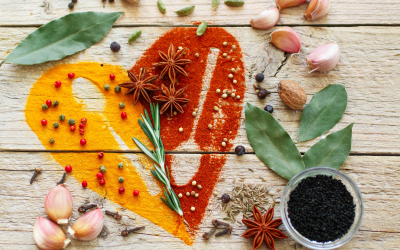
- Coriander – Often used in Ayurveda for its cooling properties, coriander can help manage hot flashes and irritability by soothing Pitta dosha.
Ayurvedic Treatments, Massages and Detoxification
Regular Ayurvedic massages with warm sesame oil (Abhyanga) can help reduce Vata imbalances, soothe the skin and improve circulation. This practice also encourages relaxation and reduces stress. For those seeking a deeper detox, therapies like Panchakarma (a set of detoxifying treatments) can help eliminate toxins from the body and restore balance.
Experience a Holistic Approach to Managing Menopause Symptoms at Ayurvedic Clinic
At Ayurvedic Clinic, we recognise that menopause is a deeply personal and transformative journey, and our team of experienced practitioners understands the physical, emotional, and mental challenges that come with this phase in your life. We are dedicated to guiding you through this transition by understanding your unique needs and offering personalised solutions that align with your body’s natural rhythms. Ready to experience a holistic approach to menopause management? Contact us at Ayurvedic Clinic today to schedule your consultation.