Polycystic ovary syndrome (PCOS) is one of the most common hormonal conditions affecting women today. The World Health Organisation estimates that around 10-13% of reproductive-aged women worldwide live with the condition, while in the UK, it is thought to affect approximately 1 in 10 women. While the symptoms can vary from person to person, PCOS often impacts menstrual health, fertility, weight management, skin health and emotional wellbeing, influencing many aspects of daily life. As a result, many women look beyond symptom management alone and seek approaches that support their overall health and wellbeing.
Ayurveda offers a holistic perspective, viewing PCOS as a hormonal and metabolic imbalance that can be influenced by factors such as digestion, lifestyle and stress, as well as reproductive health, where treatment is tailored to the individual, with the aim of restoring balance and supporting long-term health.
What is PCOS, and What are the Symptoms?
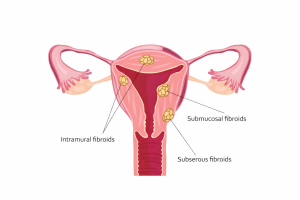
Polycystic ovary syndrome (PCOS) is a common hormonal and metabolic disorder that affects how a woman’s body produces hormones, ultimately disrupting the normal functioning of the ovaries. In a healthy ovary, fluid-filled sacs called follicles develop and release an egg each month, while PCOS causes a hormonal imbalance that prevents these follicles from fully maturing, leaving them unable to release an egg and disrupting proper ovulation.
 Women with PCOS may experience:
- Irregular periods or absent periods
- Fertility challenges caused by irregular ovulation or a lack of ovulation
- Weight gain
- Acne and oily skin
- Hair loss or thinning hair
- Excess hair growth on the face and body
- Darkening of the skin in certain areas
- Mood changes and emotional fluctuations
An Ayurvedic Perspective on PCOS
From an Ayurvedic perspective, PCOS is understood as a condition associated primarily with imbalances in the Kapha and Pitta doshas.
Kapha Imbalance – Kapha governs structure, stability and growth within the body. When Kapha becomes excessive, metabolism may slow down, leading to weight gain, fluid retention, and insulin resistance, which can contribute to cyst formation. A sedentary lifestyle, unhealthy dietary habits and frequent consumption of processed foods, sugary foods and heavy cold foods can aggravate Kapha further.
Pitta Imbalance – When Pitta becomes aggravated, inflammation and hormone imbalances may develop, contributing to symptoms such as acne, excessive hair growth and menstrual irregularities.
Ayurveda recognises that these imbalances rarely occur in isolation and emphasises that the digestive system, reproductive system, mental wellbeing and lifestyle habits are all interconnected.
Your First Ayurvedic Consultation for PCOS – What Can You Expect?
Every effective Ayurvedic treatment begins with a detailed consultation, where the primary purpose is to identify the underlying imbalances contributing to your symptoms and to develop a treatment plan that reflects your unique constitution and health history.
It will begin with a detailed and holistic perspective of health and medical history where an Ayurvedic doctor will seek to understand how various aspects of your life and identify patterns that may be contributing to hormonal imbalance and determine the most suitable course of treatment. During the consultation, discussions typically include the following areas;
- Dietary habits and digestion
- Daily routine and physical activity levels
- Sleep patterns
- Stress levels, emotional wellbeing and work-life balance
- Medical history and current medications or treatments
- Menstrual health and fertility concerns
Creating a Personalised Ayurvedic Treatment Plan
Following the consultation, your Ayurvedic doctor will develop a personalised treatment plan designed to support hormonal balance, improve metabolism and strengthen reproductive health. Treatment commonly involves a combination of dietary guidance, lifestyle modifications, herbal remedies and therapeutic Ayurvedic treatments as explored below.
Dietary Changes for PCOS Management
Ayurveda places considerable importance on digestion because healthy digestive function supports nutrient absorption, hormone regulation and overall wellbeing. Strengthening digestive fire and supporting digestive enzymes are, therefore, important aspects of treatment.
Since Kapha imbalance is often involved in this condition, many women benefit from dietary changes that support metabolism and improve insulin sensitivity. A Kapha-pacifying diet typically emphasises fresh, nourishing foods that are easy to digest while reducing foods that contribute to heaviness and sluggishness. Foods that may be reduced include processed foods, sugary foods and excessively heavy meals, as these can contribute to weight gain and metabolic imbalance.
A few recommendations often include;
- Whole grains such as quinoa and brown rice
- Fresh vegetables, including leafy greens and carrots
- Warming spices such as turmeric and ginger
- Regular meal timings to support digestive fire
- Adequate hydration
Herbal Remedies and Herbal Formulations for Hormonal Balance
Herbal remedies are frequently incorporated into Ayurvedic treatment plans for PCOS. Specific herbs are selected based on the individual’s symptoms and dosha imbalance. These herbal formulations are to be prescribed by a qualified Ayurvedic practitioner and may be adjusted throughout treatment as the body responds and symptoms change.
Some commonly used herbs include;
- Ashwagandha – Often used to support stress management and help balance cortisol levels, which can influence hormonal health.
- Shatavari – Valued for supporting female reproductive health and helping maintain hormonal balance.
- Turmeric – Used to support metabolic function and help manage inflammation associated with hormonal imbalances.
- Cinnamon – May help support healthy blood sugar regulation and improve insulin sensitivity.
- Triphala – Supports digestive health and healthy elimination, both of which are considered important in Ayurvedic management.
- Aloe Vera – Can be incorporated into treatment plans to support digestion and overall wellbeing.
Lifestyle Changes That Support PCOS Management
Ayurveda states that various daily habits influence metabolism, hormone production, stress levels and overall health, making them an essential part of long-term management. During your consultation, you may receive recommendations to adjust the following areas;
Regular Exercise
Physical activity is encouraged as it helps support metabolism, improve insulin sensitivity and regulate hormone levels. The type and intensity of exercise are usually adapted to the your needs and current state of health.
Yoga and Breathing Exercises
Chronic stress can influence hormone production and reproductive health, making stress management an important aspect of care. Yoga and breathing can effectively support circulation, encourage relaxation and help regulate the body’s stress response.
Sleep Hygiene
Good sleep hygiene supports natural hormone regulation and allows the body to recover more effectively. For many women with PCOS, improving sleep quality forms an important part of the healing journey.
Key Ayurvedic Treatments – Detoxification Therapies
For some patients, the treatment plan may include Panchakarma therapies. Panchakarma is a traditional Ayurvedic detoxification process designed to help remove accumulated metabolic toxins and support the body’s natural healing mechanisms.
The therapies selected depend on your unique constitution, symptoms, medical history and overall health status. This process can involve the following;
- Therapeutic applications of warm herbal oils
- Oil massage therapies such as Abhyanga
- Cleansing and detoxification procedures
- Herbal preparations designed to support elimination
- In certain cases, specialised therapies such as herbal enema treatments
What Results Can You Expect During and After Treatment?
Ayurvedic treatment for PCOS aims to support improvements across several aspects of health rather than targeting a single symptom. The focus remains on addressing underlying imbalances while creating sustainable lifestyle changes that support long-term wellbeing. Depending on individual circumstances, treatment may help support:
- Regular menstrual cycles
- Improved hormonal balance
- Better weight management
- Improved insulin sensitivity
- Enhanced reproductive health
- Reduced stress levels
- Improved digestion and metabolism
- Support for fertility and ovarian function
Personalised Ayurvedic Care for Women’s Health at UK’s Leading Ayurvedic Clinic
As one of the UK’s leading providers of Ayurvedic care for women’s health concerns, we support patients living with PCOS, fertility challenges, hormonal disorders and a wide range of long-term health conditions. Our holistic approach focuses on restoring balance, strengthening the body’s natural healing processes and supporting lasting improvements in health and wellbeing. With a team of experienced Ayurvedic doctors, led by Dr. Deepika Rodrigo, we provide comprehensive consultations that explore the physical, emotional and lifestyle factors contributing to various health challenges. From personalised herbal formulations and dietary guidance to therapeutic treatments and Panchakarma therapies, every treatment plan is tailored to your unique needs.
Suzanne, Martin and baby Matéo

When I first arrived at the clinic I was met with warmth, compassion and understanding. It was very refreshing to be seen as ‘a whole’ and not just separate body parts that were not functioning properly. For years I had suffered with hormone problems, chronic fatigue, an under active thyroid and PCOS, including six years… Read more “Suzanne, Martin and baby Matéo”
M.P.

I had PCOS issue causing delayed periods and a blocked tube resulting in ovulation problem. I tried allopathic, homeopathic, herbal and acupuncture for almost 7 years and found no results. I went through the ovarian drilling procedure and treatment as well. It was quite depressing and disappointing as I was spending money and time but… Read more “M.P.”
Natasha M

My name is Natasha. I am 36 years old and 30 weeks pregnant. My husband and I were trying for a baby for 4 years.I was diagnosed with PCOS when I was 18 years old and since then I knew that my journey to pregnancy will be complicated. In the past 4 years, we have… Read more “Natasha M”
If you are looking for a holistic approach to managing PCOS, a consultation with our experienced team can provide the guidance and support needed to begin your treatment journey. Contact us today for more information or to book a consultation.