Menstrual pain is common among many women, but it doesn’t have to be something you manage with painkillers every month. Ayurveda recognises that period pain varies from person to person, due to specific imbalances in your body and understanding what’s driving your discomfort makes it possible to address it more effectively through diet, lifestyle adjustments and natural remedies. This guide helps you identify your own patterns and determine which approaches suit you best.
Understanding Menstrual Pain Through an Ayurvedic Perspective
According to Ayurveda, a healthy menstrual cycle is associated with balanced bodily functions, appropriate nutrition and the normal movement of menstrual blood through the female reproductive system. Within this view, menstrual pain is closely associated with Apana Vayu, a form of Vata responsible for downward movement in the body. Pain can arise when this downward movement is disrupted or aggravated. This is why vata dosha has an important role in the Ayurvedic understanding of painful periods. From an Ayurvedic perspective, painful menstruation is also influenced by digestion, lifestyle and the condition of the body’s tissues.
How Does Ayurveda Approach Menstrual Pain?
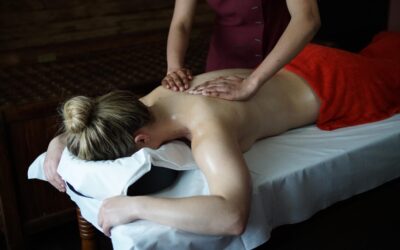
The Ayurvedic approach to menstrual pain focuses on restoring balance and supporting the normal movement of Apana Vayu. This can involve dietary adjustments, herbal remedies, gentle movement, relaxation practices and external applications such as herbal oils.
The aim is to address the individual pattern of discomfort rather than applying exactly the same approach to every woman. Your constitution, timing of your menstrual cycle, digestion, lifestyle and associated symptoms may all influence the recommendations given by an Ayurvedic practitioner. Ayurvedic remedies can therefore involve several areas working together to support menstrual health and reduce period pain.
Dietary Approaches During Your Menstrual Cycle
During menstruation, warm, freshly prepared and easily digestible meals are often preferred when Vata-related symptoms are present. Warm foods and certain spices can support digestion while providing nourishment during the menstrual period. Sipping warm water is also a simple step that can be added to your daily routine. Foods and habits that may aggravate Vata include excessive amounts of cold foods, irregular eating and overly restrictive diets
Certain studies also recommend limiting caffeine, very spicy foods and refined flour, fast food and processed food during menstruation, when these foods appear to worsen individual symptoms due to increased inflammation, gastrointestinal overlap, increased fluid retention and hormonal disturbances.
Foods That Support Vata Balance
For Vata-related menstrual discomfort, nourishing foods with a warm quality may be preferred. Soups, stews, cooked grains and other warm meals can be easier to digest than large quantities of cold or raw foods. Adequate nourishment is important if you experience heavy bleeding or feel fatigued during your period so a balanced diet should provide sufficient iron, protein and other nutrients required for better energy levels during this time. It should also be noted that the appropriate dietary approach depends on your individual needs and significant changes to your existing diet are best discussed with a qualified medical professional.
Supporting Digestion During Menstruation
Ayurveda places a strong connection between digestion and reproductive health. Supporting digestion is therefore an important part of an Ayurvedic approach to menstrual wellbeing, where regular meals, appropriate food choices and gentle use of digestive spices can help maintain digestive comfort. For instance, ginger, cumin, coriander and fennel are commonly used in Ayurvedic food and drinks, with their uses explored further in the following section,
Ginger, Turmeric and Other Ayurvedic Herbs
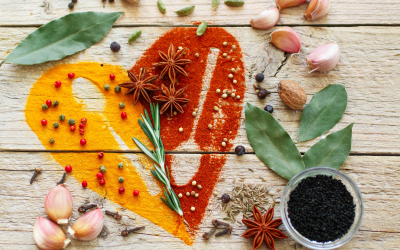
Ayurveda includes many herbs traditionally used to support menstrual comfort. Their uses vary depending on the herb and your symptoms. Ginger is commonly used as a warming herb and may help ease menstrual cramps. Ginger tea is a simple way to include it during the menstrual period.
A simple warm mix containing cumin and coriander can be incorporated into a daily routine as described by Dr. Deepika in the video below. She describes how it helps reduce excess heat accumulated in the body during this time
Video from Dr. Deepika describing remedies for menstrual pain
Turmeric is also widely used in Ayurvedic medicine and is known for its pain-relieving properties and anti-inflammatory potential. It can be included in food or used as part of suitable herbal preparations, while fenugreek seeds may be infused in water and used traditionally to help ease menstrual discomfort. Shatavari is another well-known Ayurvedic herb associated with women’s health and reproductive wellbeing. It is said to support hormonal balance and reproductive health.
Herbal Teas for Menstrual Discomfort
Herbal teas offer a simple way to incorporate certain Ayurvedic herbs and spices into your routine. Ginger tea is commonly used for cramps, while cumin, coriander and fennel can be combined into a warm infusion. Fenugreek can also be prepared as an infusion.
These drinks can provide warmth and hydration while incorporating herbs associated with digestive and menstrual support. The choice of herbal tea can be adapted to your needs and the type of symptoms you experience during your cycle.
Warmth and Abdominal Comfort
Applying warmth to the lower abdomen is a simple practice that can help relax the uterine muscles and ease cramps. Heat may also support local blood circulation, making it a useful comfort measure during menstruation. A warm compress or hot water bottle can be applied for a comfortable period of time while resting but make sure to avoid excessive heat that could irritate or burn the skin.
Gentle Yoga and Movement
Gentle movement can help reduce tension around the pelvis and lower abdomen. Ayurvedic approaches include yoga postures that encourage relaxation and comfortable movement during menstruation. Gentle stretching, walking and suitable yoga can support blood circulation and help you remain physically active without placing excessive demands on the body.
Strenuous exercise may feel uncomfortable during painful periods. Listening to your body and adjusting your level of activity can help you maintain comfort during your cycle.
Breathing Exercises and Managing Stress
Stress can influence how you experience pain and may also affect sleep, mood and general wellbeing during your menstrual cycle. Ayurvedic lifestyle practices can include meditation, relaxation techniques and breathing exercises to help calm the nervous system. Taking time to slow down can be useful when menstrual discomfort is accompanied by anxiety or mood swings. Maintaining a consistent sleep schedule can also support wellbeing and hormonal balance as part of a healthy lifestyle.
When Does Menstrual Pain Need Further Attention?
Occasional menstrual discomfort is common, but severe or persistent pain deserves attention. Primary dysmenorrhea refers to painful menstruation without an underlying pelvic disease and is one of the common causes of period pain and can be diagnosed by a medical professional by reviewing your medical history and conducting a clinical evaluation
Menstrual pain can also be associated with conditions affecting the reproductive organs. Persistent severe abdominal pain, unusually heavy bleeding, prolonged periods or significant changes in your usual menstrual cycle should always be assessed by a healthcare professional.
Creating an Ayurvedic Routine for Menstrual Health
A consistent Ayurvedic routine can support menstrual wellbeing throughout your cycle. Your approach can be adapted to your individual needs, including vata imbalance, excess pitta, PMS symptoms and digestive health. Alongside personalised guidance, simple daily practices can help you maintain balance and support natural relief from menstrual discomfort.
- Choose warm, nourishing vata pacifying foods and maintain balanced nutrition.
- Eat regularly and follow habits that stimulate Agni and support digestion.
- Use gentle movement, relaxation and adequate rest to support wellbeing.
- Apply warmth to the lower abdomen to help reduce pain and ease cramps.
- Seek personalised Ayurvedic guidance when symptoms are persistent or your menstrual pattern changes.
The Importance of Personalised Ayurvedic Care
Your menstrual experience is unique to you. The intensity of your cramps, your flow, your cycle length, and how your body responds to different approaches all matter. An Ayurvedic practitioner can look at these patterns alongside your constitution, lifestyle, diet and wider health when developing an individual approach. This may involve dietary recommendations, herbal remedies, Ayurvedic therapies and simple changes to your lifestyle and daily routine. Personalised care is useful if you experience irregular periods, heavy bleeding or recurring pain. It can also help ensure that herbs and other preparations are appropriate for your needs
Book A Consultation at the Ayurvedic Clinic – Leading Ayurvedic Clinic For Women’s Health Concerns
At Ayurvedic Clinic, we specialise in women’s health through holistic treatment and Ayurvedic remedies. Our experienced doctors can assess your individual constitution, identify the root causes of your symptoms, review your medical history and create a treatment plan that addresses period pain, irregular cycles and other women’s health concerns. From herbal remedies and dietary guidance to therapies tailored to your needs, we will provide personalised support to help you work towards better menstrual health and overall wellbeing. Contact us today to discuss your health with our experienced team of doctors and discover how personalised Ayurvedic care may support you.