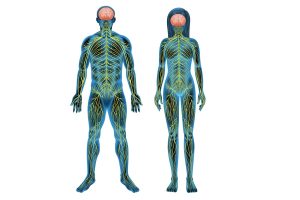
Are you living with persistent discomfort from conditions like back pain, neck pain, sciatica, or stiff joints that limit your daily movement? It is common to feel frustrated when these physical challenges interrupt your life, especially if you are searching for a solution that offers long-term relief. These nervous system disorders affect the brain, spinal cord and peripheral nerves, leading to a variety of symptoms such as pain, weakness and loss of function. Ayurveda provides a clear perspective on such conditions by identifying how imbalances in your internal energy can lead to nerve and joint distress. In this guide, we will explore how natural therapies and targeted lifestyle changes can help you manage symptoms that arise as a result of nervous system disorders.
Causes of Nervous System Disorders – An Ayurvedic Perspective
According to Ayurveda, the human body is governed by three doshas, Vata, Pitta and Kapha. These are energies that regulate different physiological functions, and an imbalance is believed to be the root cause of various diseases, including those affecting the nervous system. Vata is the primary dosha that governs movement, dryness and the nervous system, and when disturbed, it can lead to symptoms such as pain and stiffness associated with nervous system disorders.
In addition to dosha imbalances, the accumulation of Ama (toxins) in the body can further disrupt the nervous system. Ama typically results from poor digestion or irregular lifestyle habits. It can accumulate in the joints, muscles and nerves, leading to inflammation, swelling and pain, exacerbating any underlying conditions or injuries.
Common Nervous System Disorders and Ayurvedic Treatments
Back Pain (Kati Shula)
Back pain, known in Ayurveda as Kati Shula, is primarily caused by an imbalance in the Vata and Kapha doshas. The Vata dosha, which governs movement and dryness, when aggravated, can lead to pain and stiffness in the lower back. This condition often results from factors such as excessive physical activity, prolonged sitting, or exposure to cold weather, which aggravates Vata. Additionally, the accumulation of Ama (toxins) can further hinder circulation, causing discomfort.
Symptoms
|
Treatments
|
Neck Pain (Greeva Shula)
Neck pain, also called Greeva Shula, is linked to an imbalance in the Vata dosha, which controls movement and nervous system function. When Vata is aggravated, it leads to dryness, stiffness and pain in the neck, which can radiate to the shoulders, arms and head. Poor posture, excessive physical exertion and exposure to cold are common contributing factors.
Symptoms
|
Treatments
|
Sciatica (Gridhrasi)
Sciatica, or Gridhrasi in Ayurveda, is characterised by radiating pain along the sciatic nerve, from the lower back through the hips and legs. This condition is commonly caused by an imbalance in the Vata dosha, particularly Apana Vata, which governs downward movement in the body. Poor posture, excessive physical activity, or an unhealthy lifestyle can exacerbate the condition.
Symptoms
|
Treatments
|
Tennis Elbow
Tennis elbow, a condition resulting from repetitive strain on the elbow tendons, is closely associated with an aggravated Vata dosha in Ayurveda. Overuse of the forearm muscles, whether in sports or manual labour, leads to inflammation and pain in the elbow region. The imbalance disrupts musculoskeletal function and impedes the body’s natural healing processes.
Symptoms
|
Treatments
|
Carpal Tunnel Syndrome
Carpal Tunnel Syndrome (CTS) is a condition caused by the compression of the median nerve at the wrist, resulting in numbness, tingling and pain in the hand. In Ayurveda, it is linked to an imbalance in Vata dosha, which governs movement and the nervous system. Repetitive hand movements, such as typing or gripping, aggravate Vata and contribute to the condition’s development.
Symptoms
|
Treatments
|
Cervical Spondylosis (Greeva Sandhigata Vata)
Cervical spondylosis, a degenerative condition affecting the cervical spine, is associated with the Vata dosha. It typically manifests as neck stiffness, pain and reduced mobility. The condition results from the degeneration of the intervertebral discs and joints in the neck. Factors such as ageing, poor posture and Vata imbalance contribute to its development.
Symptoms
|
Treatments
|
Fibromyalgia (Vatavyadhi/ Mamsagata Vata)
Fibromyalgia, a chronic condition characterised by widespread pain and fatigue, is believed to be caused by an imbalance in the Vata dosha in Ayurveda. The condition affects the muscles and joints, often accompanied by sleep disturbances and gastrointestinal issues. Ayurveda treats fibromyalgia as a systemic disorder that requires a holistic approach to address both the body and mind.
Symptoms
|
Treatments
|
Holistic Remedies and Treatments for Nervous System Disorders at the Ayurvedic Clinic
At The Ayurvedic Clinic, we specialise in providing holistic solutions for nervous system disorders, including back pain, neck pain, sciatica, carpal tunnel syndrome and more. Our experienced team, led by Dr. Deepika Rodrigo, will provide you with a personalised approach to assess your unique constitution and symptoms, offering treatments that address both the root causes and the discomfort associated with these conditions. Through a combination of herbal remedies, various Ayurvedic treatments as well as recommendations for dietary adjustments and lifestyle modifications, we work to restore balance in the body’s doshas and promote overall healing. If you are struggling with any nervous system disorder, we invite you to consult with us and lets get you started on a treatment plan that can help you achieve long-term relief and improved well-being.