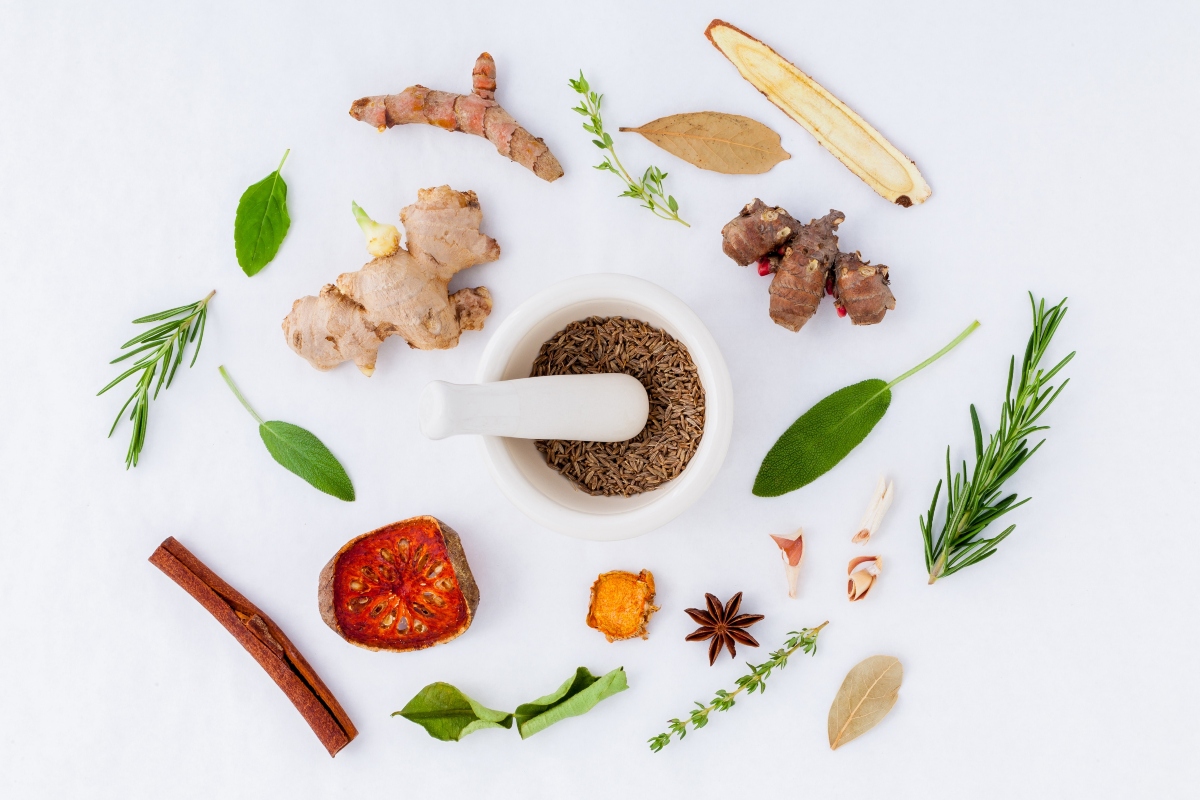
A sprinkle of cinnamon over baked goods, ginger in your tea or turmeric and cumin used in everyday cooking; these are familiar ingredients in kitchens around the world have also been valued for centuries in different systems of traditional medicine for their medicinal properties and role in supporting health and immunity. Ayurveda has a rich history of using these ingredients to support the body’s natural defences, due to their into their antioxidant, anti-inflammatory, and immune-supporting properties.
These seven herbs and spices each have their own properties and uses in supporting the body’s natural defences. Read on to discover how they benefit your health along with simple steps to include them as part of your everyday routine or diet.
How do Ayurvedic Herbs and Spices Support the Immune System and What are their Health Benefits?
Herbs and spices can be an easy way to add variety to your everyday diet. Many of them contain naturally occurring nutrients that have been studied for their antioxidant, anti-inflammatory and other immune-boosting effects, along with supporting other areas of your health such as digestion and respiratory health in the following ways;
- Support healthy digestion
- Add a variety of beneficial plant compounds to your diet
- Support the body’s normal inflammatory response
- Help protect cells from oxidative stress
- Support healthy blood sugar and cholesterol levels
- Contribute to a varied, nutrient-rich diet
- Support respiratory and general wellbeing
The way these herbs and spices are used also matters as different ingredients have different qualities and uses, and their suitability may vary depending on the individual.
So, which Ayurvedic herbs and spices can you include in your daily routine to support your health and immunity? Here are seven commonly used ingredients that support your wellbeing.
Turmeric
Turmeric is a commonly found ingredient in South Asian cuisine and has long been used in cooking as well as various herbal remedies and beverages. Its active compound, curcumin, is known for its anti-inflammatory and antioxidant properties, which contribute to many of its therapeutic properties.
Curcumin has been widely studied for its ability to help manage chronic inflammation and support the body’s natural response to inflammation. Research has also explored its antiviral and antifungal effects, while studies on turmeric and curcumin have found potential benefits for conditions associated with inflammation, including rheumatoid arthritis and joint pain.
To maximise the absorption of curcumin, use turmeric with black pepper, as piperine, a compound found in black pepper, can significantly increase curcumin absorption, allowing more of the compound to be available to the body. You can also add turmeric to warm milk, curries, soups or fresh juice as an easy way to include it in your daily routine and support your immunity.
Ashwagandha
Ashwagandha has long been valued in Ayurvedic medicine for its role in supporting energy, stress management and overall physical and mental health, as it is known to support the nervous system and promote a sense of calm. Research has also explored its effects on cortisol levels, with some studies suggesting that ashwagandha may help with lowering cortisol levels in people experiencing stress. Its potential role in supporting improved sleep has also been studied. Since stress and poor sleep can influence normal immune responses, managing these areas can form part of a broader approach to support immunity.
Ashwagandha is available in powder form and tablet form, making it easy to incorporate into a daily routine. It is commonly taken with warm milk or blended into smoothies. If you are considering regular use, particularly alongside medication, it is advisable to seek guidance from a qualified Ayurvedic doctor.
Amla (Indian Gooseberry)
Amla, also known as indian gooseberry, is a fruit valued in Ayurveda for its various health benefits and is a good source of vitamin C. It also contains other nutrients and antioxidant compounds that contribute to its use in supporting immune function and overall health.
In Ayurvedic practice, amla is classified as a remedy because of its role in nourishing the body’s tissues and supporting balance. Its vitamin C and other antioxidant compounds help protect cells from oxidative stress and contribute to the normal functioning of the immune system. These qualities have made amla a commonly used ingredient in Ayurvedic preparations.
Amla can be enjoyed as a fresh fruit or taken in powder form, tablet form or as fresh juice. Including it as part of a varied diet is a simple way to add vitamin C and other plant compounds to your daily intake.
Tulsi
Tulsi is a herb that contains a range of plant compounds that have been studied for their antioxidant, anti-inflammatory and antimicrobial properties, along with its use in supporting respiratory health.
Tulsi is also used to support digestion and emotional health, as part of stress management practices. Research into its effects on immune responses is ongoing, while its antioxidant and anti-inflammatory activity may contribute to its broader health benefits. This makes tulsi a useful herb to consider as part of a balanced approach to support immunity.
Tulsi is commonly consumed as a tea, but it can also be added to warm water or fresh juice. Its versatility makes it easy to include in your daily routine.
Ginger
Ginger is valued in Ayurveda for its role in improving digestion, but its uses extend beyond the digestive system. This root contains several bioactive compounds with antioxidant properties and anti-inflammatory activity, which have contributed to growing interest in its potential health benefits. From an Ayurvedic perspective, ginger helps support digestive fire, known as agni, which is important in supporting a healthy gut and digestive system. Modern research has also examined ginger for its potential to reduce inflammation and support respiratory health.
Ginger can be consumed as tea, added to warm water or fresh juice, or incorporated into everyday meals. Its warming qualities and traditional association with digestion make it a commonly used ingredient in Ayurvedic diets and daily routines.
Black Pepper
Black pepper is often used simply as a seasoning, but it also has a specific role in Ayurvedic preparations. It contains bioactive compounds, including piperine, which can increase the bioavailability of certain nutrients and plant compounds. This is why it is a great option to combine with other herbs and spices in Ayurvedic formulations commonly pairing black pepper with turmeric because piperine can enhance the absorption of curcumin. Black pepper also has antioxidant properties and has traditionally been used to improve digestion, making it useful beyond its role as a seasoning.
Add freshly ground black pepper to soups or curries and other everyday dishes to incorporate it into your diet.
Liquorice Root
Liquorice root has been used in traditional medicine for centuries, in preparations intended to support respiratory and digestive health. Its naturally occurring compounds have been studied for their anti-inflammatory and antimicrobial properties, contributing to its therapeutic potential.
Liquorice is also used to soothe the respiratory tract and provide support during seasonal respiratory concerns, including the common cold. Research has also explored its potential effects on inflammation and the body’s natural defence mechanisms, although more evidence is needed to establish how effective it may be for specific health conditions.
Making Ayurvedic Herbs and Spices Part of Your Routine
Including Ayurvedic herbs and spices in your meals does not have to involve major changes to your diet. Turmeric, ginger, holy basil, black pepper and other ingredients can be incorporated through everyday cooking, teas, while drinking warm water or with other beverages such as juices or smoothies.
It should also be noted that Ayurveda focuses on maintaining balance, so the most suitable herbs and the way they are used can vary from person to person. Factors such as digestion, lifestyle and existing health concerns may influence how such herbs are incorporated into a routine.
These ingredients can complement a balanced diet and healthy lifestyle while providing a great way to explore the traditional uses of Ayurvedic herbs and spices for immunity. For specific health concerns, a weakened immune system or regular use of concentrated herbal preparations, guidance from an Ayurvedic doctor or qualified healthcare professional can help ensure they are used appropriately.
Boost Your Immune Health with Holistic Treatments from The Ayurvedic Clinic
If you would like to explore how Ayurveda can support your immune health, our team at The Ayurvedic Clinic can guide you towards suitable treatments, herbs and daily practices based on your individual needs and health history. With decades of experience in Ayurvedic care, we take the time to understand your health concerns and provide personalised guidance rooted in traditional Ayurvedic principles. Get in touch with us today to discuss your health goals today.