If you are dealing with skin issues, have you noticed increased discomfort or flare-ups during winter? Symptoms often include tightness, flaking, irritation, redness, itching and worsening of chronic conditions such as eczema or psoriasis. These seasonal changes are not random. From an Ayurvedic perspective, it is because winter alters the body’s internal balance in ways that directly influence skin health.
The Seasonal Impact on Skin Health
Winter is characterised by cold, dry and heavy qualities. According to Ayurveda, these qualities aggravate the Vata dosha, which governs dryness, movement and sensitivity in the body. When this occurs, your skin tends to lose moisture and elasticity, leading to roughness, flaking, itching and increased sensitivity.
Skin Conditions That May Worsen in Winter
According to Ayurveda, the seasonal shift leads to Vata imbalances, where the lack of environmental humidity strips away the nutrient fluid and protective lipids necessary for radiant skin.
When these natural barriers are compromised, it can trigger or worsen various skin disorders. For conditions like eczema or psoriasis, the combination of aggravated Vata, Pitta, and Kapha often leads to chronic inflammation and a dehydrated barrier, causing significant discomfort. Furthermore, while we may opt for certain clothing to stay warm, a lack of breathable space under heavy layers can trap moisture, leading to skin infections and fungal issues.
Depicted below are a few of these causes, along with skin conditions that can be exacerbated during this season.
| Skin Condition / Skin Disease | Ayurvedic Perspective | Causes |
| Dry, rough skin | Elevated Vata disrupts moisture balance and oil production, causing tight, flaky skin. | Dry air and low humidity strip the skin of its protective lipids, leading to dehydration. |
| Eczema (Atopic dermatitis) | Lack of moisture and aggravated Vata and Pitta can trigger dryness and itchiness. | Dehydrated barrier and inflammation lead to increased redness, scaling, and itching. |
| Psoriasis | Imbalance in skin tissues and aggravated doshas may contribute to plaque formation and flaking. | Cold, dry air often increases scaling and discomfort in psoriatic skin. |
| Chapped lips and cracked skin | Cold, dry air reduces lubrication and causes cracking, especially on lips and hands. | Moisture loss and repeated licking of lips worsen dryness. |
| Fungal issues | Sweat trapped under layers of winter clothing creates a warm, occluded environment conducive to infection. | Lack of breathable space can promote fungal growth in folds and moist areas. |
Reduced exposure to sunlight, lower humidity levels and the frequent use of indoor heating during colder seasons also further dry out the skin. These external factors combine with internal imbalances, making the skin more prone to irritation and inflammation during winter. Some of these causes are explored further in detail as follows.
Reduced Hydration and Slower Digestion
In Ayurveda, your skin reflects your health and metabolic function, not just external exposure to irritants and environmental stressors. Digestive fire (Agni) slows down in cold weather because the body shifts focus toward maintaining core temperature. Slower digestion can produce leftover waste products known as Ama (toxins), which circulate within the body. When Ama accumulates, it may appear through the skin as dullness, inflammation, breakouts, or recurrent flare-ups of chronic conditions.
Reduced thirst response in winter also contributes to internal dehydration. You may tend to drink less water when it’s cold, leading to lower hydration in your system and reduced nutrients in your skin.
Clothing and Daily Habits
Winter clothing can also cause various skin conditions to flare up. Synthetic fabrics and tight layers may trap heat and sweat while irritating sensitive skin and disturb the skin’s protective barrier and aggravate existing imbalances.
Daily Habits That Influence Winter Skin Problems
Winter skin distress is often the direct result of how our seasonal behaviors disrupt the body’s natural protective mechanisms. For instance, while the warmth of hot showers and baths maybe tempting, these habits frequently strip away essential natural oils, leaving the skin barrier vulnerable. This damage is exacerbated by the dry air from indoor heating, which can also dry out the skin.
Irregular routines, reduced physical activity and higher stress levels during winter further disrupt the body’s natural rhythms. Ayurveda places strong emphasis on daily routine, known as Dinacharya, to maintain balance and support healthy skin.
Supporting Skin Health During Winter – External Therapies and Ayurvedic Treatments
Ayurvedic care during winter focuses on nourishment, protection and balance. Practices such as regular oil massage, gentle cleansing, warm meals and proper hydration help counter dryness and support circulation. Dietary adjustments and lifestyle guidance aim to strengthen digestion and reduce toxin buildup, which supports clearer and healthier skin over time. Consider the following simple changes to your routine.
Regular Oil Massages with Essential Oils
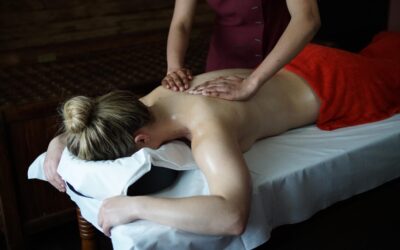
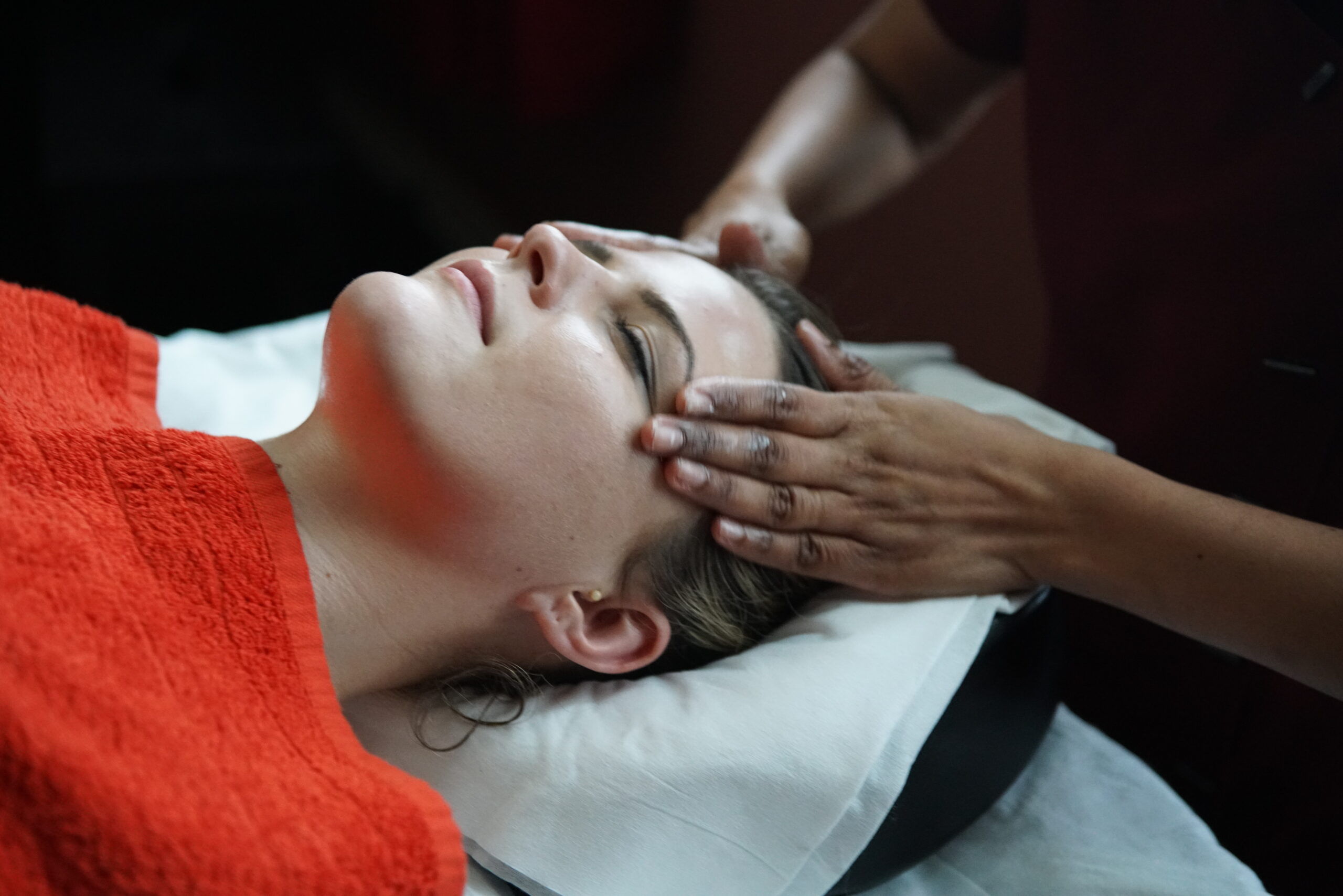
The most effective way to combat Vata is by applying warm oil to the body before bathing to create a protective seal that prevents the air from drying out your pores. This practice not only keeps the skin supple but also improves blood circulation and calms the nervous system, which can become stressed by the cold.
Medicated oils and oils like coconut oil and neem oil can be used for their soothing and pitta-pacifying properties, helping to calm aggravated skin and support skin health.
Avoid Hot Water and Harsh Soaps
Use lukewarm water instead of too hot water to prevent skin dehydration. Additionally, switch to natural, soap-free cleansers. Harsh chemical soaps strip away the essential oils your skin is already struggling to produce, leading to cracks and irritation.
Wear Breathable Fabrics
Opt for breathable fabrics when selecting clothes to avoid suffocating your skin, which can lead to rashes or fungal infections. Stick to cotton or silk for your base layers, and if you wear any synthetic material, ensure there is a natural fabric underneath to act as a buffer.
Dietary Adjustments, Herbal Teas and Herbal Supplements
Hydration must happen internally to be effective. Since the winter air is drying,it is recommended to avoid cold drinks and instead sip warm water or herbal teas throughout the day. Consume vata pacifying foods like soups, stews and well-cooked grains. While dairy is beneficial because of its heavy and oily qualities, it should be consumed in moderation as they can be too cooling.
Specialised Treatments for Healthy Skin at the Ayurvedic Clinic – Expert Care for Eczema, Psoriasis and More
At The Ayurvedic Clinic, we treat skin conditions based on individual constitution and also take into consideration factors such as the current weather conditions and your lifestyle. It is important to consult with a qualified Ayurvedic practitioner for chronic skin conditions to ensure that Ayurvedic treatments are tailored to your needs and complement conventional treatments. Our approach involves identifying underlying imbalances in doshas and metabolic function, where the treatment plan is personalised using Ayurvedic herbal therapies, dietary guidance, and lifestyle coaching designed to strengthen digestion, restore the body’s natural moisture balance, and support healthy skin renewal.
Contact us at The Ayurvedic Clinic today to book your personalised assessment and start your journey toward healthy, balanced skin.