Ashwagandha is a name that has been steadily rising in the realm of wellness and holistic health. It has come to represent vitality and stress relief for many people who are hoping to balance their busy modern lives with a natural alternative. Whether you have seen ashwagandha powders on store shelves or heard about its benefits from holistic practitioners, you may be curious about its origins and what it can really do for your body and mind. This ancient herb is an integral part of Ayurveda, which is India’s traditional system of medicine that has been practiced for thousands of years.
In this comprehensive guide, we will explore all aspects of ashwagandha. You will learn about its historical significance in Ayurveda, its core health benefits, scientific evidence supporting its effectiveness, and practical ways to incorporate it into your daily routine. By the end of this post, you will have a thorough understanding of why ashwagandha has become a go to herb for stress management, immune support, and holistic wellbeing.
The Ayurvedic Roots of Ashwagandha
Ashwagandha, often referred to by its botanical name Withania somnifera, is a small shrub native to India, the Middle East, and parts of Africa. The word ashwagandha in Sanskrit means “the smell of a horse.” It is often said that this name was chosen because the root of the plant has a distinctive aroma that some associate with a horse. Other sources also say it hints at the herb’s ability to confer the vigor and strength of a horse.
Ayurveda, the ancient Indian system of medicine, classifies ashwagandha as a rasayana. A rasayana is a rejuvenating remedy intended to support longevity, promote a strong immune system, and boost vitality. Practitioners of Ayurveda have long used ashwagandha to promote balanced energy levels, improve stamina, and reduce the harmful impacts of everyday stress. It is sometimes compared to the adaptogenic herbs found in other traditions of herbal medicine, meaning it helps the body adapt to physical and mental challenges.
Key Constituents of Ashwagandha
One reason ashwagandha has garnered worldwide attention is the presence of unique compounds known as withanolides. These bioactive compounds are believed to be largely responsible for the herb’s therapeutic properties. Withanolides can help regulate inflammation, reduce oxidative stress, and support the body’s endocrine functions. Beyond withanolides, ashwagandha contains other beneficial constituents, such as alkaloids and amino acids, that contribute to its holistic support of various bodily systems.
The abundance of these natural compounds is the reason why ashwagandha is valued both in traditional Ayurveda and in modern research circles. You will often see supplements standardized to a certain percentage of withanolides in an attempt to ensure consistency and potency.
Health Benefits of Ashwagandha
The potential benefits of ashwagandha are diverse, and they extend beyond just stress relief. While more research is always helpful, existing scientific studies and centuries of empirical use point to several key benefits you may experience when you incorporate ashwagandha into your wellness routine.
- Stress Management and Adaptogenic Support
Ashwagandha is commonly regarded as an adaptogen, which means it assists the body in adapting to stress. In today’s fast paced world, our bodies are regularly bombarded with stressors that can create mental fatigue, irritability, and even hormonal imbalances. Adaptogenic herbs help the nervous system and endocrine system modulate their responses, potentially reducing feelings of chronic stress and anxiety. - Hormonal Balance and Reproductive Health
In Ayurveda, ashwagandha has been prescribed traditionally for reproductive health in both men and women. It is often used to support healthy libido and vitality. For men, ashwagandha may help promote healthy testosterone levels, which can in turn have a positive effect on energy and muscle mass. For women, it may aid in regulating menstrual cycles when combined with other healthy lifestyle choices and Ayurvedic guidelines. - Boosting Energy and Stamina
Ashwagandha’s ability to reduce stress can often lead to improved energy levels and increased stamina. Many people experience fatigue when they live under constant stress, which affects their physical activity, mental clarity, and overall mood. By helping the body cope with stress, ashwagandha may promote a sense of balanced energy without causing jitteriness or crashes like some stimulants. - Cognitive Function and Mental Clarity
One of the lesser-known benefits of ashwagandha is its support for cognitive function. Scientific studies have shown that ashwagandha may help improve memory, focus, and mental clarity by reducing oxidative stress in the brain. Some people report feeling more focused and resilient in the face of mental tasks when they regularly include ashwagandha in their daily regimen. - Immune System Support
Ayurveda prioritizes maintaining a strong and resilient immune system. Ashwagandha’s anti-inflammatory and antioxidant properties may support this goal by helping the body combat oxidative stress and by nourishing the immune cells. A balanced immune system can help you deal with seasonal illnesses and promote overall health and vitality. - Healthy Inflammatory Response
Chronic inflammation has been linked to a variety of health issues, including joint discomfort, cardiovascular problems, and digestive imbalances. The natural withanolides in ashwagandha could help modulate the immune response, promoting a balanced inflammatory response and enhancing overall wellbeing. - Sleep Quality
Stress and anxiety often interfere with healthy sleep patterns. Ayurveda has long suggested using ashwagandha to support restful sleep due to its calming and grounding effects. When your stress levels drop, it can become easier to enjoy a deep and restorative sleep. This allows the body’s natural repair processes to take place overnight, leading to more energy and mental clarity the next day.
Scientific Research on Ashwagandha
While Ayurveda uses an extensive body of empirical evidence and tradition, modern scientific research also provides a wealth of information supporting ashwagandha’s benefits. Numerous studies have investigated its role in reducing stress related markers such as cortisol levels. Some clinical trials have also examined its impact on muscle strength, testosterone levels, and thyroid function. Although more human trials are always beneficial to confirm these findings, the existing body of research is promising and aligns well with centuries of Ayurvedic wisdom.
In many studies focused on stress and anxiety, participants who used ashwagandha supplements have reported lower stress scores compared to those given placebos. Additionally, research on ashwagandha’s effects on strength training suggests it could help improve muscle mass and support recovery, particularly for athletes and individuals engaged in regular exercise routines.
How to Use Ashwagandha
There are various ways to add ashwagandha into your daily life. The root is the part of the plant most commonly used in Ayurveda, and it is often made available in different forms that cater to varying needs and preferences.
- Powder
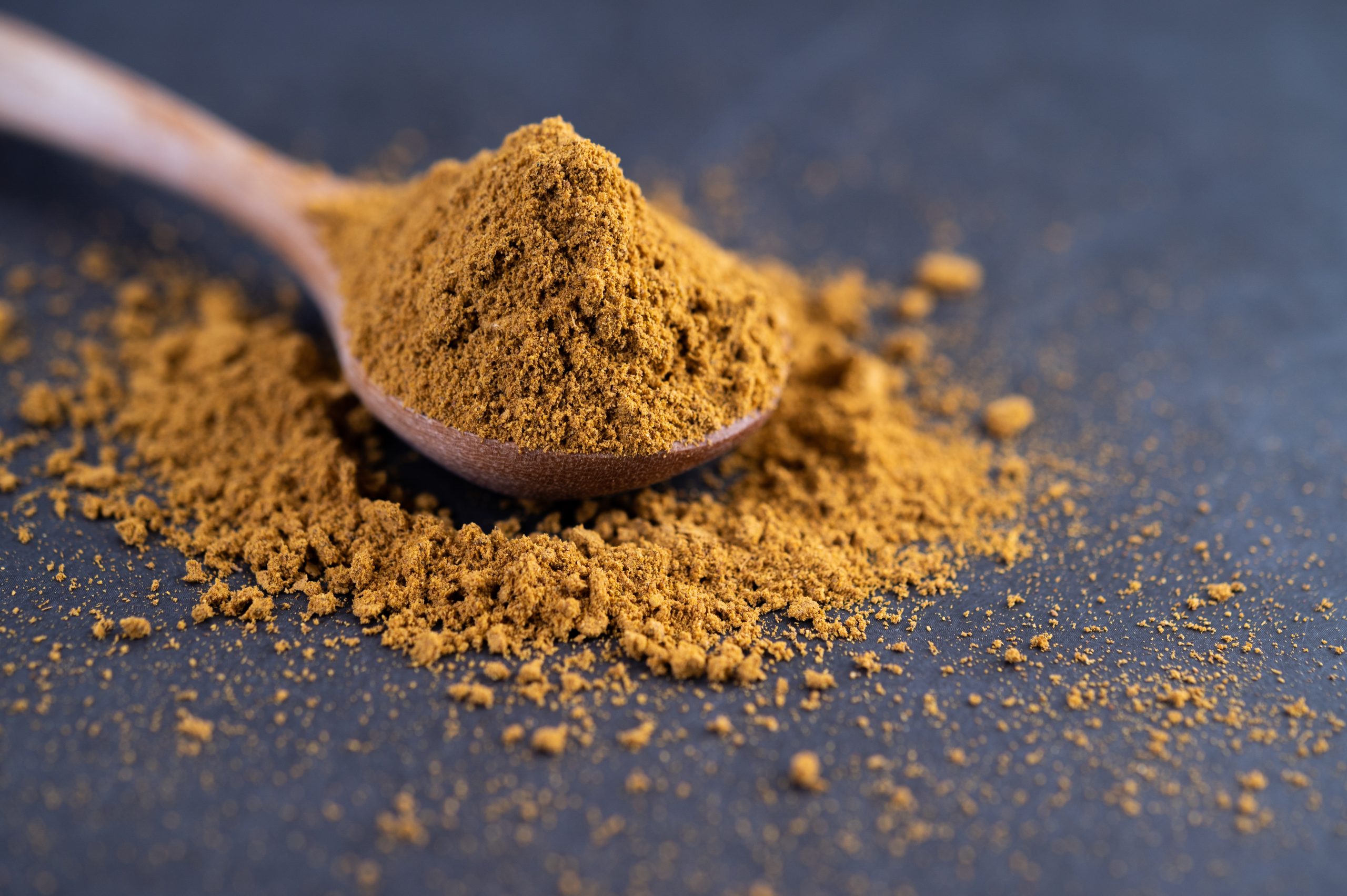
Ashwagandha powder is a popular choice in traditional Ayurveda. You can mix the powder into warm milk or water and drink it once or twice a day. Some people also enjoy adding it to smoothies, teas, or other beverages. A common recommendation is to drink ashwagandha in warm milk before bed to support healthy sleep. - Capsules or Tablets
For those who find the taste of ashwagandha to be strong, capsules or tablets can be a convenient alternative. Make sure to read the product label and look for standardized withanolide content to ensure you are receiving a consistent dose of the active compounds. - Tinctures and Extracts
Liquid extracts and tinctures can provide a more concentrated dose of ashwagandha. These are often taken using a dropper, making them easy to adjust according to your personal needs. They are also rapidly absorbed, which might be beneficial for people looking for more immediate support. - Topical Applications
Some Ayurvedic preparations use ashwagandha in oils or creams for external use, particularly in massages or other wellness therapies. While the internal route is typically favored for adaptogenic benefits, external applications can also be soothing for certain types of muscle tension or joint discomfort.
Before you begin taking any form of ashwagandha, it is wise to consult with a qualified Ayurvedic practitioner or healthcare provider. They can help you choose the right dosage and form based on your unique constitution and health goals.
Safety and Precautions
Ashwagandha is generally considered safe for most people when used appropriately. However, certain situations require additional caution. Women who are pregnant or breastfeeding are usually advised to avoid ashwagandha or to use it only under professional supervision due to limited data on its safety in these cases. Individuals with autoimmune conditions or thyroid imbalances should consult a healthcare provider before starting ashwagandha, as it may influence immune and thyroid functions.
Some people may experience mild side effects such as digestive upset, drowsiness, or allergic reactions. If you notice any negative changes, discontinue use and consult a healthcare provider. It is also essential to choose high quality ashwagandha products from reputable brands to avoid contamination or substandard ingredients.
Pairing Ashwagandha with Other Ayurvedic Practices
While ashwagandha is an excellent herb to consider, you can amplify its benefits by pairing it with other Ayurvedic practices. A balanced Ayurvedic lifestyle focuses on a healthy diet, stress management techniques, and regular physical activity that is suited to your constitution.
- Ayurvedic Diet
Focus on fresh, whole foods that are aligned with your dosha, which refers to your unique mind body type. Ayurveda categorizes individuals into three primary doshas: Vata, Pitta, and Kapha. Each dosha has dietary recommendations that help bring the body into balance. For example, if you have a predominantly Vata constitution, you may benefit from warm and grounding foods like soups and stews. - Yoga and Meditation
Incorporating yoga and meditation into your daily routine can significantly bolster the stress reducing effects of ashwagandha. Yoga promotes strength and flexibility while also calming the mind. Meditation and breathing exercises can help regulate the nervous system and support mental clarity. - Adequate Sleep
Prioritizing good sleep hygiene is crucial for overall wellbeing. Ayurveda advocates for going to bed early and rising early to stay in harmony with the sun’s natural rhythms. When combined with the calming effects of ashwagandha, a consistent sleep schedule can work wonders for your physical and mental health. - Oil Massage and Self Care
Ayurvedic self-care rituals like oil massage (abhyanga) can further reduce stress and soothe the nervous system. This daily or weekly ritual increases circulation provides a sense of groundedness, and supports overall wellness.
Choosing Quality Ashwagandha Products
With the growing popularity of ashwagandha, the market is filled with numerous brands and products. To ensure that you get the maximum benefits, it is crucial to purchase from a reputable brand that follows good manufacturing practices. Look for certifications on product labels or check if the brand has third party testing for purity and potency.
Additionally, pay attention to the recommended dosage on the product label. While more is not always better, certain situations may call for a slightly higher or lower dose, which is why having professional guidance is beneficial.
Building a Relationship with Your Ayurvedic Practitioner
If you are new to Ayurveda or new to ashwagandha, it can be helpful to consult with an Ayurvedic practitioner who can assess your individual constitution and tailor recommendations based on your specific health concerns. Ayurveda is not a one size fits all system. Each person has a unique combination of doshas and imbalances that must be addressed. A practitioner can guide you on integrating ashwagandha into a more comprehensive wellness plan that includes diet, lifestyle practices, and other herbs that support your unique needs.
Conclusion
Ashwagandha is not just a buzzword or a passing trend. It is a deeply rooted herb in Ayurvedic tradition, praised for its ability to help individuals navigate the challenges of modern life. Whether you are seeking to improve your stress response, boost your energy and stamina, or support a healthy immune system, ashwagandha offers a wealth of potential benefits. Its effects are supported both by centuries of traditional wisdom and an increasing body of modern research.
By learning about ashwagandha’s properties and how it aligns with your personal health goals, you can make informed decisions about incorporating it into your routine. Whether you prefer ashwagandha powder in a warm bedtime beverage, capsules that offer precise dosing, or a more concentrated tincture, there is an option for everyone. However, keep in mind that true holistic wellness involves more than just taking a single herb. Combining ashwagandha with a balanced Ayurvedic diet, regular exercise, proper sleep, and mindful stress management can help you achieve a harmonious mind body balance.
If you are still wondering how to best integrate ashwagandha into your lifestyle, consider seeking the guidance of a professional Ayurvedic practitioner. They can offer personalized recommendations tailored to your constitution and health history. The journey toward better health is unique for everyone, and having expert support can make all the difference.
Ashwagandha stands as a prime example of how ancient herbal traditions can offer powerful solutions in today’s fast paced world. It is versatile, accessible, and backed by scientific insight. As you explore this potent herb, remember to listen to your body and be patient. Natural remedies often work best when given time to gently restore balance in a holistic manner. With consistent use and the support of an Ayurvedic lifestyle, ashwagandha can be a valuable ally on your journey toward optimal health and wellbeing.
At The Ayurvedic Clinic, we are dedicated to helping you tap into the riches of ancient wisdom in ways that make sense for modern living. If you have more questions about ashwagandha or any other Ayurvedic approach, reach out to us. We look forward to guiding you on a transformative path toward better health, serenity, and longevity. Embrace the power of ashwagandha and discover a more balanced and vital you.
The Ayurvedic Clinic, Croydon
461 Brighton Rd, South Croydon, Surrey, CR2 6EW
Tel: 0208 4054407