The fast-paced, and high-pressure nature of modern life has contributed to a decline in health in many ways, not least of which being skin health. And while makeup, cosmetic surgery, and even AR filters have made it easy to hide our flaws and blemishes, the truth about the impact of chronic stress on skin health cannot be denied.
Other consequences of our contemporary lives, such as poor diet, lack of sleep, environmental pollution, and increased screen time, further exacerbate stress and its impact on the skin, making stress-related skin orders one of the most common dermatological issues today.
Fortunately, the holistic wisdom of Ayurvedic medicine helps treat these skin disorders while at the same time combatting and addressing the root cause of these conditions: stress.
Understanding stress and its impact on skin health
Understanding the relationship between stress and its impact on skin health involves exploring how psychological stress translates into physical manifestations on the skin. This can be caused by:
- Physiological mechanisms-
Stress hormones, such as cortisol, can increase oil production in the skin, leading to acne and other inflammatory conditions. Similarly, adrenaline affects blood flow to the skin, contributing to issues like rosacea and psoriasis flare-ups.
Stress also activates the immune system, leading to increased production of pro-inflammatory cytokines, which can exacerbate conditions like eczema, psoriasis, and acne.
Chronic stress impairs the skin’s barrier function, reducing its ability to retain moisture and protect against irritants, pathogens, and allergens. This can lead to dry, sensitive skin and exacerbate conditions like eczema.
- Lifestyle and environmental factors-
Stress often leads to poor dietary choices, such as increased consumption of sugary, fatty, and processed foods, which can negatively affect skin health.
Stress can also disrupt sleep patterns, impairing the skin’s ability to repair and regenerate, leading to issues like dark circles, dullness, and premature ageing.
Pollution, UV radiation, and harsh weather conditions can compound the effects of psychological stress on the skin.
Simply put, stress can have an extremely negative effect on skin health. This in turn can result in visible skin disorders, affecting an individual’s self-esteem which can aggravate psychological distress, creating an unending loop where stress worsens the skin condition, and the skin condition, in turn, increases stress and anxiety.
Ayurveda and the mind-body connection
Ayurvedic medicine is based on a holistic approach to health and well-being. Therefore, this ancient system of healing perfectly understands the impact of mental and emotional states on physical health, and how emotional distress can manifest itself in physical form.
Ayurveda views stress-related skin disorders primarily as an imbalance in the body’s doshas (Vata, Pitta, and Kapha). Stress affects the mind and body, disrupting the natural balance of the doshas. This disruption manifests as various skin disorders. For example, an imbalance in Vata can lead to dry, rough, and flaky skin. When Vata is exacerbated by stress, it can lead to conditions like eczema and psoriasis.
By addressing the root cause of stress and restoring balance to the doshas, Ayurveda aims to treat stress-related skin disorders holistically, promoting both physical and mental well-being.
Common stress-related skin disorders
Ayurveda categorises stress-related skin disorders based on the imbalance of the three doshas: Vata, Pitta, and Kapha. Each dosha corresponds to specific types of skin issues, and stress can aggravate these imbalances. Some of the most common stress-related skin disorders are:
- Acne (Yuvan Pidika)
Acne is primarily associated with an imbalance in Pitta dosha, which governs heat and metabolism. Stress increases Pitta, leading to excess heat and inflammation in the body, with hormone fluctuations increasing sebum production, clogging pores, and causing acne breakouts.
- Eczema (Vicharchika)
Eczema can be due to an imbalance in Vata (dryness and itching) and Pitta (inflammation and redness). Stress aggravates both these doshas, leading to symptoms such as dry, itchy, and inflamed patches of skin.
- Psoriasis (Ekakustha)
Psoriasis is associated with imbalances in both Vata (dryness and scaling) and Kapha (thickening and plaques). Stress can exacerbate these imbalances, causing flare-ups and thick, red skin patches covered with silvery scales.
- Rosacea (Mukha Dushika)
Rosacea, which presents itself as a persistent redness of the face, is primarily linked to an imbalance in Pitta dosha, which controls heat and blood flow. Stress increases Pitta, leading to facial redness and visible blood vessels.
- Hives (Sheetapitta)
Hives are typically related to an imbalance in Vata (itching) and Pitta (heat and inflammation). Stress can trigger or worsen hives by disturbing these doshas and causing raised, red, and itchy welts on the skin.
By understanding the Ayurvedic categorisation of stress-related skin disorders, individuals can adopt personalised strategies to manage and alleviate these conditions. This holistic approach addresses the root cause of the imbalance, aiming for long-term health and well-being.
Importance of a holistic approach when addressing stress-related skin disorders
Some of the many reasons why Ayurvedic practitioners adopt a holistic approach to treating stress-related skin disorders is because a holistic approach:
- Addresses the root cause of the skin disorder
- Promotes long-term healing
- Reduces side effects
- Enhances quality of life
- Promotes healthy lifestyle habits
- Provides personalised and tailormade care
- Integrates modern and traditional practices
With the impact of stress on the skin firmly established, a holistic approach to treating stress-related skin disorders is crucial because it addresses the multifaceted nature of these conditions. By focusing on the whole person (body, mind, and spirit), holistic treatments promote lasting health and well-being, reduce the risk of side effects, and enhance the overall quality of life. This comprehensive strategy not only treats the symptoms but also empowers individuals to take charge of their health through sustainable lifestyle changes and stress management techniques.
Ayurvedic treatments for stress-related skin disorders
Ayurvedic treatments for stress-related skin disorders focus on balancing the doshas (Vata, Pitta, and Kapha), detoxifying the body, and incorporating lifestyle practices that promote overall well-being. These treatments include:
1. Dietary adjustments-
Ayurveda recommends a diet based on an individual’s specific dosha imbalances. For example:
For Vata imbalance- Warm, moist, and nourishing foods such as soups, stews, and root vegetables are emphasised, and cold, dry, and raw foods are avoided,
For Pitta imbalance- Cooling, hydrating foods like cucumbers, melons, and leafy greens are incorporated, and spicy, sour, and salty foods are avoided.
For Kapha imbalance- Light, dry, and warming foods such as steamed vegetables, legumes, and spices like ginger and turmeric are favoured, while the intake of heavy, oily, and sweet foods is reduced.
2. Herbal remedies-
Some of the best herbs that have anti-inflammatory and soothing properties to treat skin disorders include:
- Neem (Azadirachta indica)- Known for its antibacterial and anti-inflammatory properties, neem can help treat acne and eczema.
- Turmeric (Curcuma longa)- Contains curcumin, which reduces inflammation and detoxifies the skin.
- Aloe Vera- Soothes and hydrates the skin, helping with conditions like eczema and psoriasis.
- Manjistha (Rubia cordifolia)- Purifies the blood and promotes healthy skin.
- Ashwagandha (Withania somnifera)- An adaptogen that helps reduce stress and balance cortisol levels.
3. Panchakarma–
The practice of these detoxification therapies not only helps eliminate toxins from the body but also has a profound impact on balancing doshas and reducing stress, leading to clearer, healthier skin:
- Vamana (therapeutic emesis)- Induced vomiting to eliminate toxins from the stomach and upper digestive tract.
- Virechana (therapeutic purgation)- Use of laxatives to cleanse the bowels and remove Pitta-related toxins.
- Basti (medicated enema)- Enemas to cleanse the colon and balance Vata dosha.
- Nasya (nasal administration)- Administration of medicated oils through the nostrils to clear the head and improve skin health.
- Raktamokshana (bloodletting)- Blood purification technique to treat skin diseases and detoxify the body.
4. Topical applications-
The application of these herbal oils and pastes can have a drastic impact on the visible effects of stress-related skin disorders:
- Neem paste- Apply neem paste to affected areas to reduce inflammation and fight infection.
- Turmeric paste- A paste made from turmeric and water or aloe vera gel can reduce redness and inflammation.
- Aloe Vera gel- Apply fresh aloe vera gel to soothe and hydrate the skin.
- Sandalwood paste- Cooling and calming, sandalwood paste helps with Pitta-related skin disorders.
- Kumkumadi oil- A traditional Ayurvedic oil blend that improves skin complexion and treats various skin issues.
5. Lifestyle practices-
Incorporating certain practices and stress-reduction therapies into daily routines promotes balance, relaxation, rejuvenation, and overall well-being. These practices and therapies include:
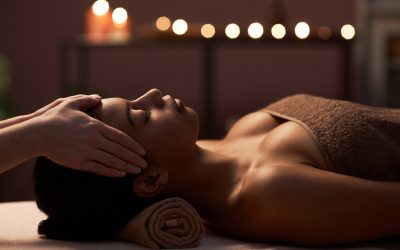
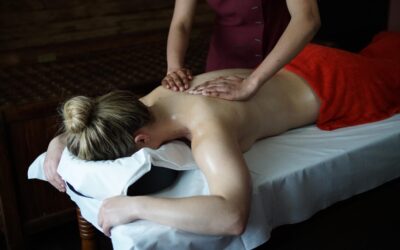
- Abhyanga- Regular self-massage with warm oil (such as sesame for Vata, coconut for Pitta, and mustard for Kapha) to nourish the skin and reduce stress.
- Adequate sleep- Ensure consistent and restful sleep to support skin repair and stress reduction.
- Hydration- Drink plenty of water and herbal teas to keep the skin hydrated and support detoxification.
- Yoga- Specific poses like Child’s Pose (Balasana), Cat-Cow Pose (Marjaryasana-Bitilasana), and Corpse Pose (Savasana) help reduce stress and improve circulation.
- Pranayama- Breathing exercises such as Nadi Shodhana (alternate nostril breathing) and Shitali (cooling breath) calm the mind and balance the doshas.
- Meditation- Regular meditation practices help manage stress and improve overall mental well-being, which in turn benefits the skin.
Stress is not simply related to mental and emotional health; it also manifests itself physically. Skin health, unfortunately, is one major consequence of stress.
By recognising the intricate link between the mind and body, Ayurveda offers comprehensive strategies for balancing the doshas and promoting overall harmony between the physical and mental aspects of health, ultimately leading to long-term skin health.
To learn how to incorporate these Ayurvedic principles and practices into your daily routine, visit The Ayurvedic Clinic, tap into the timeless wisdom of Ayurveda, and embark on a journey towards stress-free living, and healthier, glowing skin, while enhancing your overall well-being.