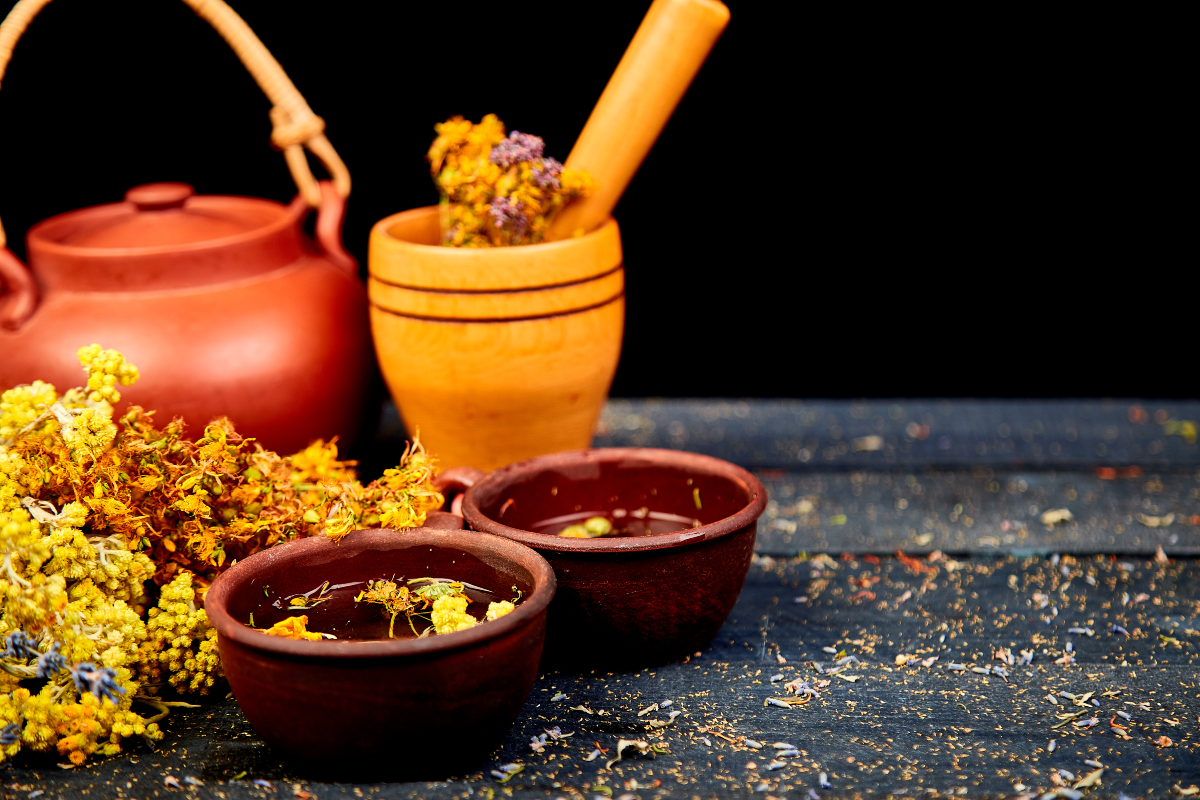
In a world where modern medicine often relies on synthetic drugs to address health concerns, the ancient healing tradition of Ayurveda offers a different approach; one that embraces the natural wisdom of plants and herbs to promote balance, vitality, and well-being.
Importance of Herbs in Ayurvedic Treatments
Herbs play a central role in Ayurvedic treatments, serving as the cornerstone of this ancient healing system. Their importance lies in their ability to support the body’s innate healing mechanisms, restore balance to the doshas, and promote overall well-being.
Here’s why herbs are integral to Ayurvedic treatments:
They have natural healing properties – Herbs contain a myriad of bioactive compounds such as alkaloids, flavonoids, phenols, and terpenes, which possess therapeutic properties. These natural compounds have been used for centuries in Ayurveda to address a wide range of health concerns, from digestive issues and respiratory ailments to hormonal imbalances and skin conditions.
They help balance the doshas – Ayurveda views health as a state of equilibrium among the three doshas (Vata, Pitta, and Kapha). Herbs have unique qualities (gunas) and tastes (rasas) that can help balance specific doshic imbalances in the body. For example, warming herbs like ginger and cinnamon are used to pacify excess Vata, while cooling herbs like aloe vera and coriander help alleviate Pitta aggravation.
They help provide personalised treatment – Ayurvedic practitioners tailor treatment plans to address the individual constitution (Prakriti) and imbalances (Vikriti) of each person. Herbs are selected based on their therapeutic properties and their compatibility with the individual’s doshic profile. This personalised approach ensures that treatments are effective and well-suited to the unique needs of each patient.
Herbs can support digestion and assimilation – Digestive health is considered fundamental to overall well-being in Ayurveda. Many herbs are renowned for their digestive properties, stimulating agni (digestive fire), improving nutrient absorption, and eliminating toxins (ama) from the body. Digestive herbs such as cumin, fennel, and ginger are commonly used in Ayurvedic formulations to support optimal digestion and assimilation.
Herbs provide holistic treatment – Ayurveda emphasises a holistic approach to health that encompasses the physical, mental, and spiritual aspects of well-being. Herbs not only address physical ailments but also help balance the subtle energies and emotions in the body. They are used in formulations that promote mental clarity, emotional balance, and spiritual harmony, fostering a sense of wholeness and vitality.
They are safe and natural remedies – Ayurvedic herbs are derived from natural sources such as plants, roots, leaves, flowers, and seeds, making them safe and gentle remedies for long-term use. Unlike synthetic drugs, which may cause side effects and dependency, Ayurvedic herbs work in harmony with the body’s natural processes, supporting the body’s innate capacity for healing and self-regulation.
They are crucial to preventative healthcare – In addition to treating existing health conditions, Ayurvedic herbs are used for preventive healthcare, helping to maintain balance and prevent imbalances from occurring in the first place. Regular use of herbs as part of a healthy lifestyle can strengthen the body’s resilience, enhance vitality, and promote longevity.
Overall, herbs are the foundation of Ayurvedic treatments, offering a natural, holistic, and personalised approach to health and healing. Their profound therapeutic effects make them invaluable tools for restoring balance, supporting well-being, and cultivating vitality in body, mind, and spirit.
Ayurvedic Herbs and their Uses
Ayurvedic herbs encompass a vast array of botanical remedies that have been used for centuries to promote health, balance, and well-being. Each herb possesses unique therapeutic properties and is used to address specific health concerns. Here are some common Ayurvedic herbs and their traditional uses:
- Ashwagandha (Withania somnifera)-
Known as the “Indian ginseng,” ashwagandha is prized for its adaptogenic properties, helping the body adapt to stress and promote resilience. It is used to support energy, vitality, and overall well-being, as well as to enhance cognitive function and balance the nervous system.
- Turmeric (Curcuma longa)-
Turmeric is a potent anti-inflammatory and antioxidant herb that supports joint health, digestive function, and immune system function. It is also used for its hepatoprotective properties and to promote healthy skin.
- Triphala-
Triphala is a combination of three fruits (amla, bibhitaki, and haritaki) that is revered in Ayurveda for its cleansing and rejuvenating properties. It is used to support digestive health, detoxification and regular elimination, as well as to promote overall vitality and longevity.
- Tulsi (Ocimum sanctum)-
Also known as holy basil, tulsi is considered a sacred plant in Ayurveda and is revered for its adaptogenic, antimicrobial, and immunomodulatory properties. It is used to support respiratory health, relieve stress, promote mental clarity, and enhance immune function.
- Brahmi (Bacopa monnieri)-
Brahmi is a renowned herb for cognitive enhancement and mental clarity. It is used to support memory, concentration, and overall brain function, making it a popular choice for students and those seeking mental sharpness.
- Shatavari (Asparagus racemosus)-
Shatavari is a nourishing herb that supports reproductive health and hormonal balance, particularly in women. It is used to regulate menstrual cycles, support fertility, and alleviate symptoms of menopause.
- Guduchi (Tinospora cordifolia)-
Guduchi is a powerful immunomodulatory herb that supports immune function and helps the body resist infections. It is also used for its anti-inflammatory, antioxidant, and rejuvenating properties.
- Neem (Azadirachta indica)-
Neem is a bitter and cooling herb that is revered for its purifying and detoxifying properties. It is used to support skin health, promote liver function, and balance blood sugar levels.
- Guggul (Commiphora mukul)-
Guggul is a resinous herb that is used to support cardiovascular health, cholesterol metabolism, and joint health. It is also used as a digestive aid and to promote detoxification.
- Amalaki (Emblica officinalis)-
Also known as Indian gooseberry, amalaki is one of the richest natural sources of vitamin C. It is used to support immune function, promote digestive health, and rejuvenate the body.
These are just a few examples of the many Ayurvedic herbs that are used in traditional Ayurvedic medicine. Each herb has its own unique properties and traditional uses, and they are often combined in formulations to enhance their synergistic effects and promote holistic health and well-being. However, it is important to consult with a qualified Ayurvedic practitioner or healthcare professional before using Ayurvedic herbs, especially if you have any underlying health conditions or are pregnant or breastfeeding.
Impact of Herbs on Human Physiology
Ayurveda has long since acknowledged and used the power of herbs to provide health and healing. And modern medicine is slowly realising their incredible value. But how exactly are these herbs so transformative?
The herbs have a profound impact on human physiology, influencing various systems and processes in the body to promote health, balance, and well-being.
Some of the ways in which herbs affect human physiology are by:
- Regulating doshas
In Ayurveda, herbs are used to balance the three dosha that govern physiological functions in the body. Different herbs possess specific qualities (gunas) and tastes (rasas) that can pacify or aggravate the doshas, helping to restore equilibrium and alleviate imbalances.
- Supporting digestion
Many herbs are renowned for their digestive properties, stimulating agni (digestive fire), improving nutrient absorption, and promoting regular elimination. Digestive herbs such as ginger, cumin, and fennel help optimise digestion and assimilation, supporting overall digestive health.
- Boosting immunity
Certain herbs possess immunomodulatory properties that help strengthen the immune system and enhance the body’s resistance to infections and diseases. Immunomodulatory herbs such as tulsi, guduchi, and ashwagandha support immune function and promote overall well-being.
- Reducing inflammation
Herbal remedies are often used to alleviate inflammation and pain associated with various health conditions. Anti-inflammatory herbs such as turmeric, ginger, and boswellia help reduce inflammation in the body, relieving symptoms of arthritis, joint pain, and inflammatory disorders.
- Supporting cardiovascular health
Herbs can have a positive impact on cardiovascular health by promoting circulation, lowering blood pressure, and reducing cholesterol levels. Cardiovascular herbs such as guggul, arjuna, and hawthorn support heart health and help maintain healthy blood flow.
- Balancing hormones
Many herbs have adaptogenic properties that help regulate hormone levels and promote hormonal balance. Adaptogenic herbs such as ashwagandha, shatavari, and licorice support adrenal health, reproductive health, and overall endocrine function.
- Nourishing vital organs
Certain herbs have a nourishing and rejuvenating effect on vital organs such as the liver, kidneys, and lungs. Hepatoprotective herbs such as milk thistle and kutki support liver function and detoxification, while diuretic herbs such as punarnava and dandelion promote kidney health and urinary function.
- Promoting mental clarity
Herbal remedies are used to enhance cognitive function, memory, and mental clarity. Nootropic herbs such as brahmi, gotu kola, and ginkgo biloba support brain health, improve concentration, and enhance cognitive performance.
- Alleviating stress and anxiety
Adaptogenic and nervine herbs are used to reduce stress, anxiety, and nervous tension, promoting relaxation and emotional well-being. Nervine herbs such as chamomile, passionflower, and valerian help calm the mind, soothe the nerves, and support emotional balance.
- Supporting skin health
Herbal remedies are used to promote skin health and address various skin conditions such as acne, eczema, and psoriasis. Skin-healing herbs such as neem, turmeric, and aloe vera possess antimicrobial, anti-inflammatory, and wound-healing properties that support skin regeneration and repair.
Simply put, herbs exert a multifaceted influence on human physiology, addressing imbalances and supporting the body’s innate capacity for healing and self-regulation while promoting holistic health and well-being.
The profound impact of Ayurvedic herbs on human physiology cannot be overstated.
From enhancing digestion and strengthening immunity to balancing the doshas and promoting vitality, Ayurvedic herbs offer a comprehensive toolkit for enhancing every aspect of human physiology.
And in a world where the allure of modern medicine often overshadows the wisdom of ancient healing traditions, it is clear that Ayurvedic herbs remain potent allies in promoting health, healing, and overall well-being.
To make the best use of the transformative properties of Ayurvedic herbs, visit The Ayurvedic Clinic today! Our Ayurvedic experts will help guide you towards the most holistic and personalised treatment plan for optimal health and vitality.