
Are you struggling with pain that seems persistent and unyielding? Chronic or occasional, pain can feel isolating, draining you physically, mentally and emotionally. However, pain can also be a powerful indication that your body’s natural balance is out of sync and reveals areas where healing is needed. Read on as we explore how Ayurveda offers a holistic approach to pain management, focusing on restoring balance and addressing the root causes of discomfort.
Understanding Pain According to Ayurvedic Insights
Ayurveda views pain as a signal from the body indicating an imbalance in the energies known as doshas. According to Ayurveda, every individual has a unique balance of these energies, and when one or more of them become aggravated, pain and discomfort can occur. Each dosha governs specific functions in the body, and understanding how they influence pain is how the treatment approach will be determined.
Here is a quick overview;
| Type of Pain | Vata | Pitta | Kapha |
| Pain Quality | Pricking, sharp, shooting, throbbing, cutting, aching | Burning, hot, intense | Dull, heavy, stiff, aching |
| Timing | Varies in intensity, worse in the evenings, cold, dry, or windy weather | Worse during midday or at midnight and in hot weather | Worse in the morning, cold, damp weather |
| Affected Areas | Joints, lower back, hips, with stiffness, dryness, cracking or popping sounds | Inflammation of the joints, skin, eyes and digestive tract | Joint swelling, stiffness, congestion |
| Associated Symptoms | Numbness, tingling, muscle spasms, sciatica, nervous system disorders | Redness, swelling, fever, excessive sweating, emotional irritability or anger | Water retention, lethargy, sluggish digestion, emotional heaviness |
Ayurvedic Therapies for Pain Management
Ayurveda approaches pain management holistically by integrating herbal remedies, therapies, lifestyle changes and dietary adjustments and focuses on addressing the root causes of the source of pain.
Herbal Remedies for Pain Relief
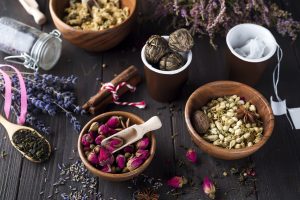
Spices, herbs and herbal medicine have long been used as one of the most potent forms of pain relief in Ayurveda and have been scientifically proven for their anti-inflammatory and analgesic properties, helping to reduce both pain and swelling.
These herbs can be consumed in various forms, such as teas, tinctures, or capsules, or even applied topically as part of oil blends for pain relief. A few of them include;
- Turmeric – Contains curcumin, which has strong anti-inflammatory effects, making it useful for conditions like rheumatoid arthritis and muscle pain.
- Ashwagandha – Known for its ability to reduce stress and anxiety, this shrub is also effective in managing inflammation associated with pain and can help alleviate muscle spasms and back pain.
- Boswellia – This herb is widely used in Ayurveda for its ability to reduce joint pain and inflammation. It is widely used for knee pain and joint pain.
Ayurvedic Oil Massage
 Abhyanga, or therapeutic oil massage, are one of the main approaches when it comes to Ayurvedic treatment. This practice involves the application of warm oils to the body, helping to balance the doshas, improve circulation and release tension. Regular oil massages can provide deep relief from pain by nourishing the tissues and calming the nervous system.
These massages are known for;
- Relaxing muscles and alleviating spasms
- Increasing flexibility and range of motion
- Reducing inflammation in the joints
- Calming the nervous system, which is vital for reducing pain perception
Panchakarma – Ayurvedic Detoxification for Pain Relief

For conditions that involve systemic inflammation or stagnation of toxins (known as ama in Ayurveda), Panchakarma offers a holistic detoxification process. This five-fold therapy cleanses the body, removes toxins and restores balance. This process can be beneficial for individuals experiencing chronic, deep-seated pain by addressing the root causes of the discomfort.
Depending on the individual’s dosha and condition, Panchakarma can include treatments such as:
- Virechana – A therapeutic purgation method aimed at eliminating excess Pitta (heat) from the body.
- Basti – Enemas used to balance Vata, relieve constipation and support joint health.
- Swedana – Therapeutic sweating that helps release toxins and reduce pain from stiffness and inflammation.
A Holistic Approach with Ayurveda for Emotional Pain and Better Mental Health
Living with pain can also impact a person’s mental health, and addressing the mind-body connection is central to Ayurvedic philosophy. Practices such as mindfulness meditation, breathing exercises and systematic relaxation techniques are recommended to help manage the emotional toll of pain, which helps to heal the body and mind.

Yoga and Pranayama
The practice of yoga and pranayama not only helps alleviate physical pain but also promote mental clarity and emotional balance. Yoga poses, specifically those that stretch and strengthen the body, can be incredibly helpful for reducing musculoskeletal pain while breathing exercises regulate the nervous system and help regulate stress to create a sense of calm
Meditation
Meditation practices are deeply rooted in Ayurveda and help alleviate the mental aspects of pain. It has been shown to reduce the body’s perception of pain and help release tension stored in the muscles and joints.
Lifestyle Changes to Prevent and Manage Pain
Ayurveda stresses the importance of maintaining a balanced lifestyle to prevent and manage pain. By making simple, consistent adjustments to your diet, movement, stress level and sleep, you can directly reduce inflammation, improve flexibility and help your body heal naturally. These lifestyle changes are a powerful, essential part of any plan to both prevent pain and maintain your well-being.
- Routine (Dinacharya)
Establishing a regular schedule for waking, eating, working and sleeping helps keep the doshas balanced and promotes overall well-being. - Rest and Sleep
Adequate rest is extremely important for the body’s healing process. Ayurveda recommends establishing a calming bedtime routine to ensure restorative sleep. - Stress Management
Reducing stress through daily relaxation techniques, such as meditation, journaling, or spending time outdoors, and maintaining a healthy work-life balance can significantly lower pain levels. - Regular exercise
Activities like yoga, walking, cycling or swimming improve flexibility, strengthen muscles and promote overall health.
- Dietary Adjustments for Pain Management
 An Ayurvedic diet can significantly impact the way the body handles pain. Dietary modifications are tailored based on an individual’s dosha and are designed to reduce inflammation, balance the doshas and provide nourishment for the joints and muscles.
Depending on your pain levels, individual constitution (prakriti) and assessment by an Ayurvedic specialist, an Ayurvedic diet will consist of the following.
- Anti-inflammatory foods – Ginger, garlic and leafy greens to help reduce swelling.
- Light, easily digestible foods – These help prevent excess Kapha buildup, which can contribute to joint pain and muscle stiffness.
- Herbal teas – Including herbal teas and herbal infusions, like ginger or chamomile tea as part of your diet can help soothe the digestive system while reducing inflammation in the body.
 An Ayurvedic diet can significantly impact the way the body handles pain. Dietary modifications are tailored based on an individual’s dosha and are designed to reduce inflammation, balance the doshas and provide nourishment for the joints and muscles.
The Ayurvedic approach to pain management offers a holistic and natural way to address the underlying causes of discomfort. By focusing on balance through herbs, oils, dietary adjustments and therapeutic practices, Ayurveda provides a comprehensive approach to healing that relieves pain and also promotes long-term wellness.
Find Lasting Relief at The Ayurvedic Clinic
At The Ayurvedic Clinic’s Pain Management Clinic, we specialise in treating various types of pain. Our approach combines the wisdom of Ayurveda with modern techniques to offer personalised care for conditions like sciatica, arthritis, back pain and more. Under the guidance of our experienced Ayurvedic specialist, with 15 years of expertise, we use treatments like Abhyanga (herbal oil massage), Marma therapy, Nadi Sweda (herbal steam treatment) and Pinda Sweda to reduce pain, improve mobility and restore balance.
If you are ready to address the root causes of your pain and begin your healing journey, we invite you to experience the transformative care at our clinic. Contact us today for a consultation.