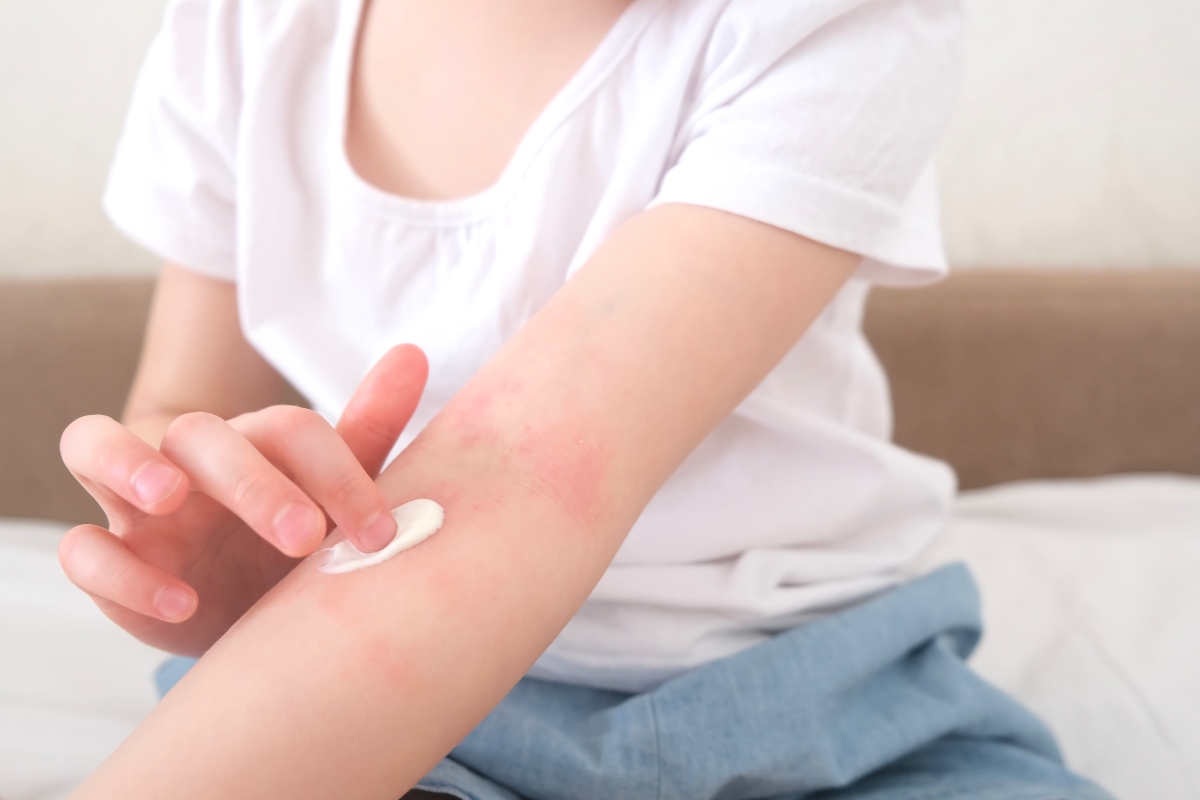
Eczema is a condition that affects millions of people worldwide, with studies showing that around 1 in 5 children and 1 in 10 adults in the UK are currently dealing with this condition. For those living with eczema-prone skin, the constant itching, dryness and irritation can be difficult to manage and, while treatments such as medications with topical steroids or calcineurin inhibitors can provide temporary relief, Ayurveda offers a more holistic approach that focuses on balancing the body’s internal systems. It addresses the root causes of eczema, which can help soothe the skin on a long-term basis.
Common Causes and Triggers of Eczema
Eczema can be triggered by a variety of internal and external factors that contribute to skin irritation and inflammation. These triggers can be environmental, dietary, or lifestyle-related. External factors such as allergens or harsh weather conditions can also intensify symptoms and some common causes include;
- Allergens – Dust, pollen, pet dander and certain foods
- Environmental factors – Extreme temperatures and pollution can trigger flare ups
- Stress – Emotional or physical stress can worsen flare-ups
- Skin irritants – Harsh soaps, chemicals, fragrances and fabrics can trigger flare ups
- Poor digestion – Digestive issues can lead to the buildup of toxins in the body, worsening eczema symptoms
Eczema Symptoms and Types
Eczema can also present in different forms depending on the symptoms and duration of the condition. Common types include atopic dermatitis, seborrhoeic dermatitis, contact dermatitis and xerotic eczema. Atopic dermatitis is one of the most prevalent forms seen in eczema patients and is often characterised by dry, inflamed skin, intense itching and irritation that starts in childhood and can continue into adulthood.
Ayurvedic Treatment for Eczema-Prone Skin
According to Ayurveda, eczema flare-ups are caused by an imbalance in the body’s doshas, resulting in the accumulation of ama (toxins) in the skin. It is referred to as ‘Kushta’ or ‘Vicharchika’, known for conditions associated with discomfort, itching, discolouration and irritation caused by imbalances in the body’s three energies, known as the doshas.
Eczema is primarily linked to an aggravated Pitta dosha, which governs heat and metabolism in the body. Pitta is responsible for symptoms of eczema such as redness, inflammation and a burning sensation, while Vata dosha is associated with dryness and pain, and Kapha contributes to itching and oozing in affected areas of the skin. Ayurveda’s holistic approach to treating eczema aims to restore this balance, using various ayurvedic treatments and therapies highlighted below.
Ayurvedic Approach to Dietary Modifications for Eczema
A balanced diet is essential for managing eczema symptoms and supporting long-term skin health. Ayurveda recommends dietary changes that specifically help pacify Pitta and Kapha, the doshas often linked to eczema flare-ups. By choosing foods that calm these energies, you can reduce inflammation and improve your skin’s resilience.
Herbal Remedies, Nutrition and Dietary Changes
What to Expect During a Consultation with an Ayurvedic Doctor
During your consultation with an ayurvedic specialist, it will be recommended that you avoid foods that can trigger internal imbalances. For instance, spicy, salty and sour foods are known to increase Pitta, causing further irritation and inflammation in the skin. Ayurvedic medicine also recommends avoiding oily, fried and fatty foods, along with processed foods, red meat, coffee, alcohol and excess dairy products, as these may trigger eczema flare-ups and weaken the digestive fire. Instead, you can include foods with cooling properties that soothe the body and support detoxification. Vegetables like cucumbers and leafy greens, and fruits help restore balance by promoting hydration and cooling the body.
Incorporating bitter and astringent foods will also help cleanse the system and improve digestion, which supports the healing process of the skin. A plant-rich diet containing nutrients such as zinc, vitamin A, vitamin C, and essential fatty acid can also support the immune system and overall health while helping to ease symptoms of eczema as well as herbs like cardamom, turmeric and neem. Additionally, drinking herbal teas made from chamomile can provide relief from inflammation and calm the skin. Staying hydrated with plenty of water, liquorice tea and aloe vera juice may also help cool the body and support overall well being.
Detoxification Therapies for Eczema Treatment
Detoxifying the body to remove accumulated toxins (ama) is an important area in Ayurveda when approaching skin conditions like eczema. Panchakarma, an Ayurvedic detox treatment, involves therapies designed to cleanse the body and restore balance to the doshas. This ayurvedic approach focuses on removing toxins from the body while improving digestion and supporting overall well being. Panchakarma therapy may also help reduce the likelihood of future flare ups by addressing the root cause of the condition rather than only managing surface symptoms. Below is an overview of some common detox therapies used to treat eczema;
| Ayurvedic Therapy | How it Works |
| Virechana | Purgation therapy helps eliminate excess Pitta from the body by cleansing the digestive system. |
| Snehana | Oleation therapy (internal and external) that nourishes the body and softens the skin, reducing inflammation. |
| Swedana | Sweat-inducing therapy that opens the pores, allowing toxins to be released through the skin and reducing inflammation. |
Ayurvedic Medicine, Home Remedies and Tropical Applications for Immediate Relief
In Ayurveda, topical applications are often recommended to soothe eczema-prone skin. These remedies provide immediate relief for irritation and help moisturise the skin to reduce dryness and intense itching. Ayurvedic practitioners recommend herbs such as neem, turmeric, cardamom, Indian sarsaparilla, Triphala and Manjistha as part of an eczema treatment plan. These herbs are valued for their anti-inflammatory, blood-purifying and skin-healing properties, which may support the management of eczema and other skin conditions.
Some commonly used Ayurvedic oils and remedies include;
- Neem Oil – Known for its powerful anti-inflammatory properties, neem oil helps reduce redness, irritation and itching while promoting skin healing.
- Aloe Vera Gel – Aloe vera is an effective natural treatment for eczema due to its cooling and anti-inflammatory properties. It helps soothe inflamed skin and reduce itching. Aloe vera gel is also commonly used to soothe dry lesions and help the skin retain moisture.
- Coconut Oil – Rich in fatty acids, coconut oil hydrates the skin, providing a barrier against external irritants while reducing inflammation. It is also widely used in home remedies to nourish dry skin and support healing.
- Turmeric Paste – With its anti-inflammatory and antioxidant properties, turmeric can be applied as a paste to help calm skin irritation and promote healing.
- Rose Water – This cooling agent helps reduce skin redness and irritation, while also balancing the pH of the skin.
Lifestyle Adjustments for Long-Term Management According to Ayurveda
In addition to dietary modifications and detoxification, lifestyle adjustments are essential for managing eczema long-term, and Ayurvedic principles place significant emphasis on maintaining balance in daily habits and routines.
For instance, practices such as stress management through yoga, meditation and breathing exercises are recommended to keep the body and mind calm in order to minimise triggers. As stress is considered a major factor that can worsen skin issues, practices such as Yoga, Meditation and Pranayama may help manage stress and support emotional well being. Maintaining proper hygiene and getting adequate sleep, and staying hydrated will also help reduce the frequency and severity of flare-ups. Ayurveda also encourages consistent sleep patterns and regular meal times to support metabolic health, along with wearing loose, breathable fabrics and us
A Holistic Approach and The Power Of Ayurveda for Eczema Relief
Eczema Treatment at The Ayurvedic Clinic
At The Ayurvedic Clinic, we take a holistic approach to treating eczema. Led by Dr. Deepika Rodrigo, our team of qualified Ayurvedic practitioners works closely with each patient to create personalised treatment plans that address the root cause of your flare-ups. We combine traditional Ayurvedic therapies such as Panchakarma, herbal medicines and medicated oils with modern clinical knowledge to provide effective results for various types of eczema, including contact dermatitis, atopic dermatitis, or other skin disorders.
Book a consultation at The Ayurvedic Clinic today and let our experienced practitioners help you find the right treatment for healthier, calmer skin.