Winter colds and the flu are arguably the most common ailments that afflict practically every household. And while over-the-counter medications may provide temporary relief, they do nothing to prevent or even shorten the duration of the illness.
Ayurvedic medicine on the other hand offers a way to prevent and treat these draining diseases by fortifying our body’s first line of defence, our immune system.
Ayurveda and Immunity
As with any illness, the strength of our immune system is directly responsible for our susceptibility to colds and flu. Therefore, building immunity and supporting the immune system is a sure-fire of gaining additional protection, even during winter months.
In Ayurveda, the immune system is closely linked to the strength of Agni (digestive fire), proper digestion, and the balance of doshas (Vata, Pitta, and Kapha). As such, building immunity is largely considered to be a result of following these key Ayurvedic principles and practices:
- Balancing doshas
- Strengthening Agni
- Seasonal adaptation
- Practicing rejuvenation therapies
- Using immunity-building herbs
- An Ayurvedic diet
- A healthy lifestyle
- Proper hygiene
- Periodic detoxification (Panchakarma)
Ayurvedic remedies for cold and flu
Even with a robust immune system, the common cold is ‘common’ for a reason. Being incredibly hard to avoid, it is important to learn how to manage winter colds and flu by focusing on maintaining balance within the body and strengthening the immune system. Some of the best ways to achieve this is by:
- Balancing the doshas-
Adjust your diet and lifestyle to balance the doshas, particularly Vata, during the winter season. Vata tends to increase in cold and dry weather, which can contribute to imbalances. Vata can be pacified in many ways, including through diet.
- Consuming a warm and nourishing diet-
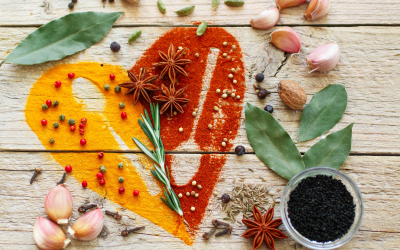
Consume warm, cooked foods that are grounding and nourishing. Include soups, stews, cooked grains, and steamed vegetables in your diet. Use spices such as ginger, cumin, and turmeric to enhance digestion and provide warmth.
- Abhyanga-
Perform self-massage with warm oils such as sesame oil to keep the skin moisturised and prevent dryness. This practice helps pacify Vata and supports overall well-being.
- Steam inhalation-
Inhaling steam infused with beneficial herbs like eucalyptus, mint, or Tulsi can help soothe the respiratory system and clear congestion.
Preventing winter colds and flu
As the old adage goes, prevention really is better than cure.
Preventing winter colds and flu in Ayurveda involves adopting a holistic approach that focuses on strengthening the immune system, balancing doshas, and incorporating seasonal adjustments. Here are some Ayurvedic practices to help you prevent winter colds and flu:
- Boosting your immunity
Incorporate immune-boosting herbs into your daily routine. Ayurvedic herbs such as Tulsi (holy basil), Ashwagandha, ginger, and amla (Indian gooseberry) are known for their immune-enhancing properties.
- An Ayurvedic diet-
Follow a well-balanced, warm, and nourishing diet. Include seasonal fruits and vegetables, whole grains, legumes, and healthy fats in your meals, and avoid excessive intake of cold and processed foods.
- Golden milk (turmeric milk)-
Consume a warm beverage known as golden milk, made with milk, turmeric, ginger, and a touch of honey. Turmeric contains curcumin, which has anti-inflammatory and immune-boosting properties.
- Chyawanprash-
Consider incorporating Chyawanprash into your daily routine. This is an Ayurvedic herbal jam that contains a blend of herbs, including amla, and is known for its immune-strengthening properties.
- Staying hydrated-
Drink warm water and herbal teas throughout the day to stay hydrated. Warm fluids help maintain the digestive fire (Agni) and support overall immunity.
- Oil pulling-
Practice oil pulling with sesame or coconut oil to promote oral health. This Ayurvedic technique is believed to prevent the spread of bacteria and viruses.
- Regular exercise-
Engage in regular physical activity to enhance circulation, improve digestion, and support overall well-being. However, it is important to choose activities that align with your constitution and the season.
- Getting adequate rest and sleep-
Ensure you get sufficient rest and quality sleep as a well-rested body is better equipped to fight off infections.
- Nasya (nasal oil application)-
Nasya involves applying a few drops of warm oil to the nasal passages. This can help moisturise the nasal passages, prevent dryness, and potentially enhance the body’s natural defences against respiratory infections by preventing the entry of pathogens.
- Staying warm-
Dress appropriately for the cold weather with warm clothing to protect yourself from the elements. Layering your clothing can help you stay warm without overheating.
Similarly, try to minimise your exposure to extreme cold, wind, and drafts. These can aggravate Vata dosha and contribute to respiratory issues.
- Herbal teas-
Include immune-boosting herbs in your teas, such as Tulsi, ginger, cinnamon, and liquorice which have antimicrobial and anti-inflammatory properties.
- Maintaining a routine-
Stick to a regular daily routine, including consistent sleep and meal times. This helps maintain balance and supports overall health.
However, it is equally important to adjust your lifestyle according to the season. In winter, focus on practices that balance Vata dosha, such as warm oil massages, warm baths, and nourishing foods.
- Pranayama and Yoga-
Engage in gentle, grounding yoga practices and pranayama (breathing exercises) to support overall well-being. Practices like Bhramari, Nadi Shodhana, Bhastrika, and Kapalbhati can be particularly beneficial to respiratory health.
- Stress management-
Manage stress through practices like meditation, mindfulness, and relaxation techniques as chronic stress can weaken the immune system.
- Social distancing and personal hygiene-
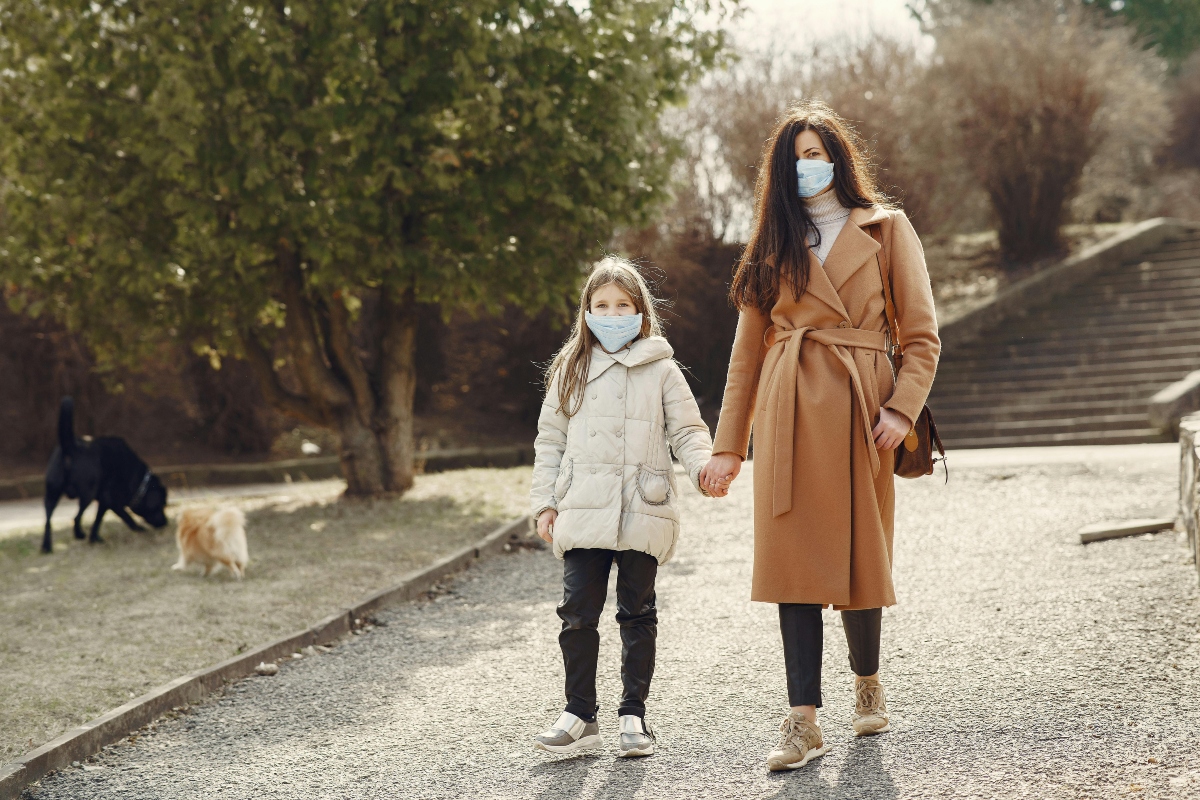
Follow the general guidelines and rules for preventing the spread of viruses, including frequent handwashing, maintaining physical distance, and avoiding close contact with sick individuals.
A cold is often thought of as an inevitable part of the winter season. Painful, uncomfortable, and draining. But it need not be.
Ayurveda allows you to strengthen and boost your immune system to such an extent that you can easily prevent and fight off colds and flu. And it does so with a few easy-to-implement changes, practices, and therapies. This means that in addition to treating and soothing the exhausting effects of the common cold, Ayurvedic medicine also helps prevent its occurrence while enhancing your overall health and well-being.
For more dosha-specific and personalised guidance on combatting the common cold, visit The Ayurvedic Clinic today! Our panel of experienced Ayurvedic practitioners and consultants can guide you toward the most natural and holistic practices that can help boost your immune system, restore balance, and fight off the exhausting symptoms of the cold and flu.